Resting Potential 2022
Resting Potential tells a story over nine chapters of a woman named Lucy Oser, who experiences a profound change in her understanding of existence, and struggles to find someone who will believe her. The film is an inquiry into the nature of belief: How do our beliefs shape our actions?
The version of the film posted here has all nine chapters in a single timeline.
I first tried to tell this story in 2002 while I was still living in Toronto. The film was designed as a “low budget” project in the $300,000 range, and a couple of times it felt like it might happen and then it didn’t. In frustration, I put the project aside and embarked on Plan B, which resulted in the film River.
Over the next 15 years of so, I would work on the screenplay and submit grant applications. I’ve lost count of the number of times the Canada Council said no. My sister Marian worked as Production Designer on the film Julie Walking Home by the Polish writer/director Agnieszka Holland (Europa, Europa; Three Colours trilogy) and she sent the screenplay to Agnieszka who read it and wrote me, “”I like the script a lot and can see it as truly original – and courageous in some way in our time.” That was encouraging to hear. Around 2017, I was lamenting my inability to get the film made to a filmmaker friend Elida Schogt, and she said, “make the film on whatever you can raise”. That bracing bit of advice and encouragement helped me to re-frame how to approach this.
I was able to secure a grant from the Saskatchewan Arts Board, and from the Saskatchewan Filmpool Cooperative. In the end I had about $30,000 to work with, and equipment I could access through my position at the University of Regina. Clearly I couldn’t make the $300,000 version on $30,000 so there had to be some changes made.
I went back into the screenplay and while still holding onto the central idea and characters, took out dozens of scenes and 11 characters. The screenplay went from 88 pages with 156 scenes and 20 speaking roles to a 59-page screenplay with 121 scenes and 9 speaking roles.
In the gap between when I first tried to make the film and when I actually shot it, streaming had emerged as an avenue for filmmakers to get their work to audiences without the traditional gatekeepers of film festivals and broadcasters.
I decided to re-work the story for streaming by breaking it down into nine shorter chapters, feeling that the online audience’s attention might not sustain a 70 – 80 minute film, but if a 5 – 6 minute chapter held their interest, they might check out the next chapter.
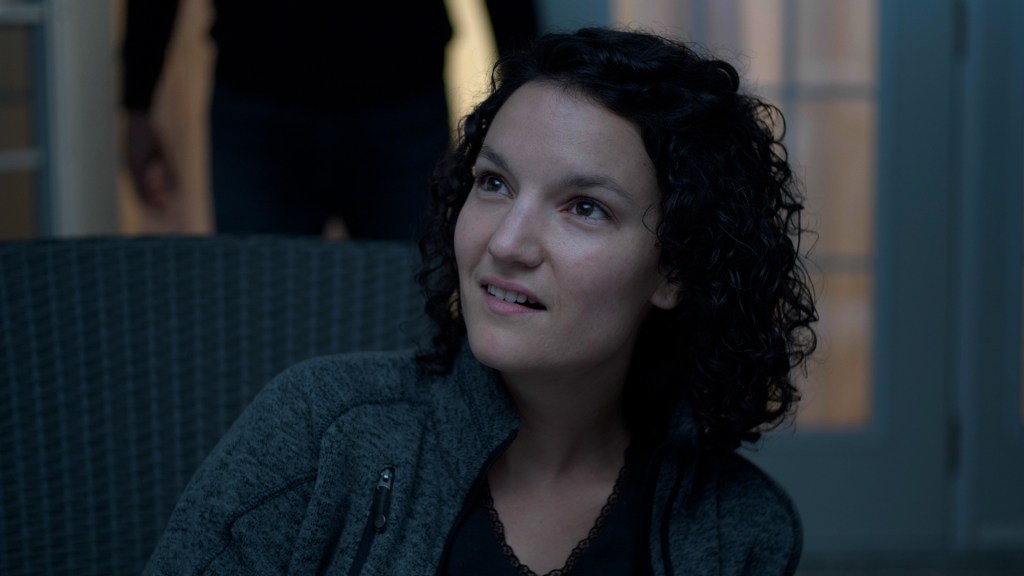
Kaitlyn Semple as Lucy in “Resting Potential” 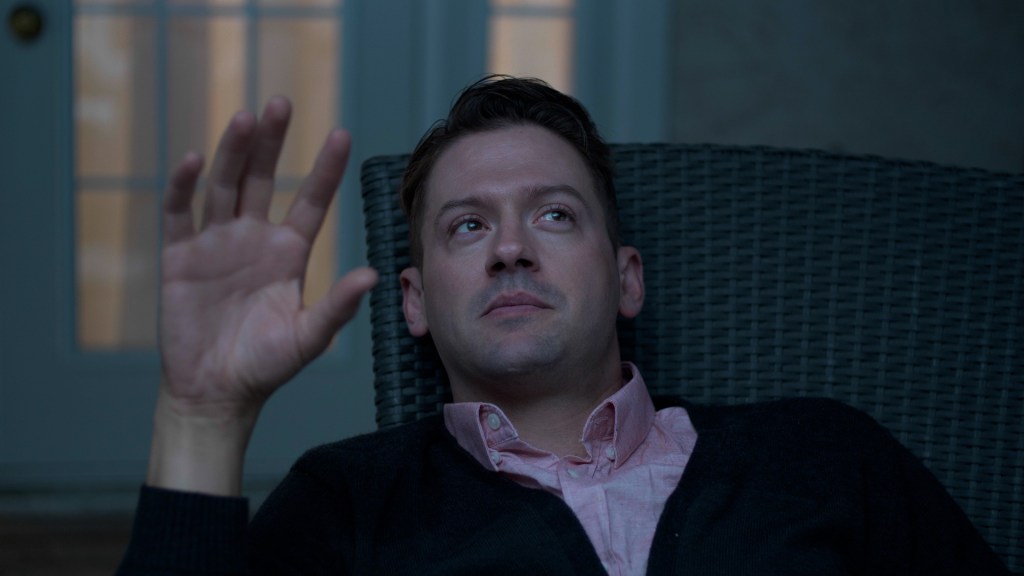
Ryland Alexander as Paul in “Resting Potential” 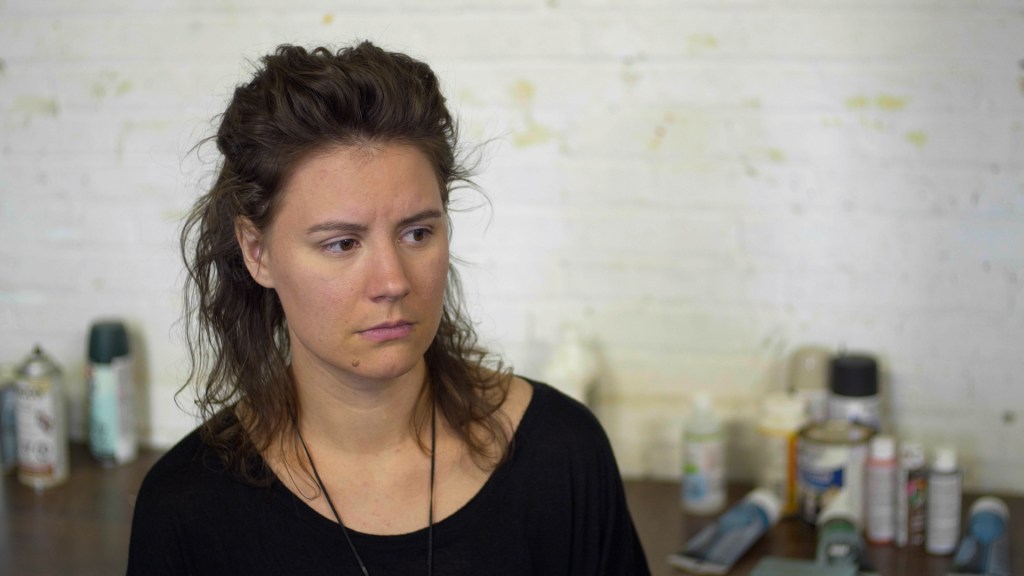
Kate Herriot as Sara in “Resting Potential” 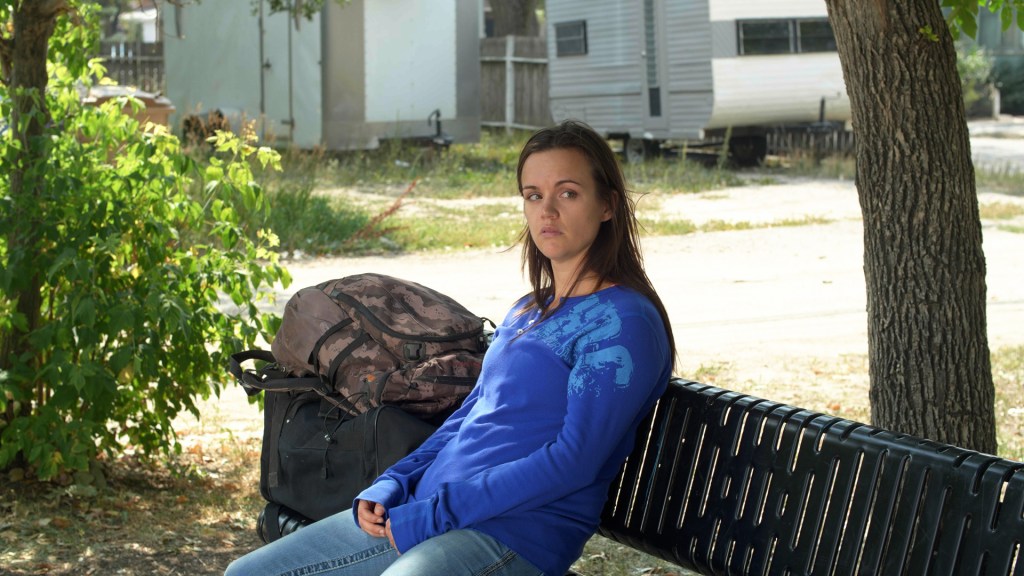
Micaele Johnson as Taylor in “Resting Potential” 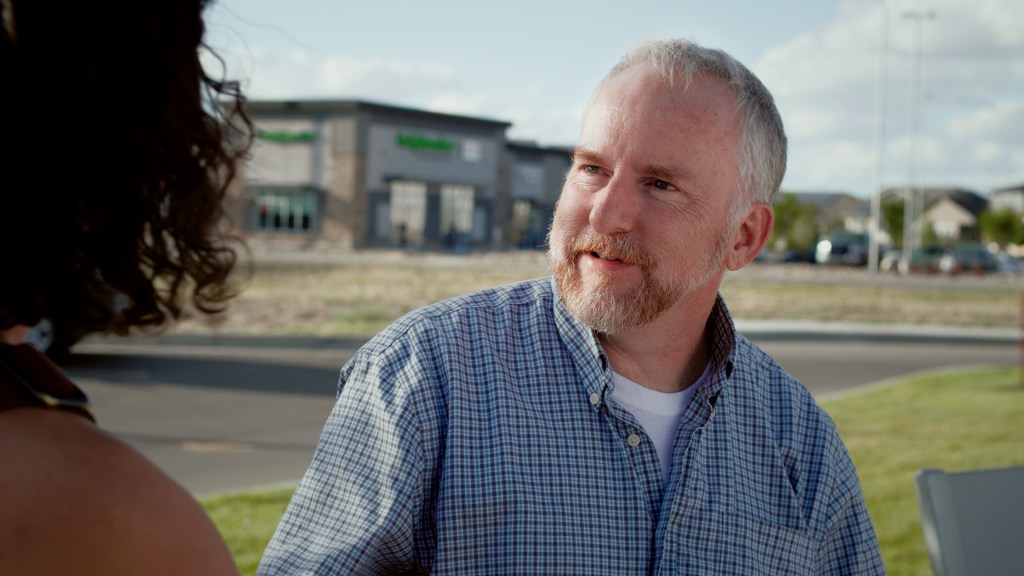
Cavan Cunningham as Chris in “Resting Potential” 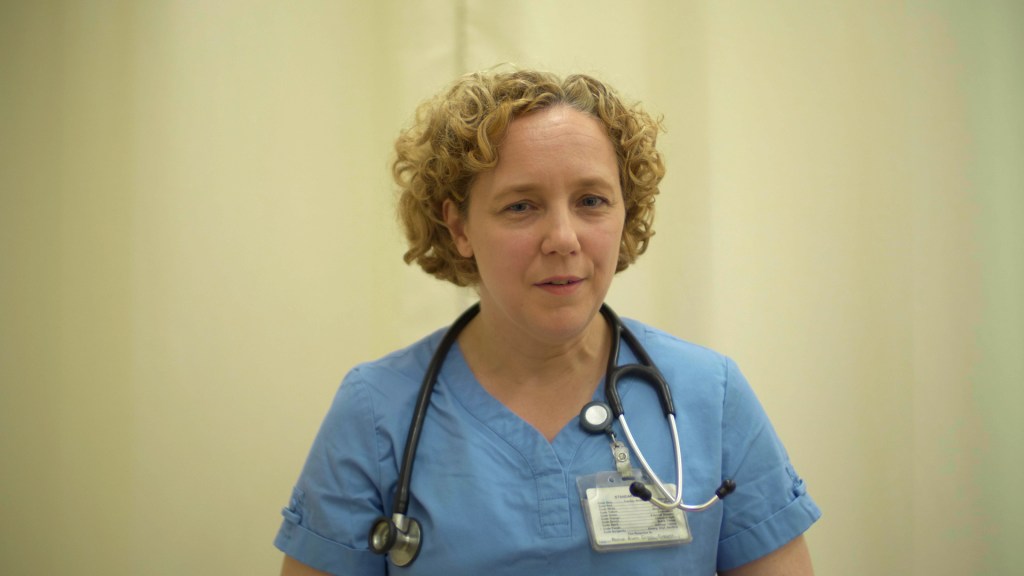
Jodi Sadowsky as ER Doctor in “Resting Potential” 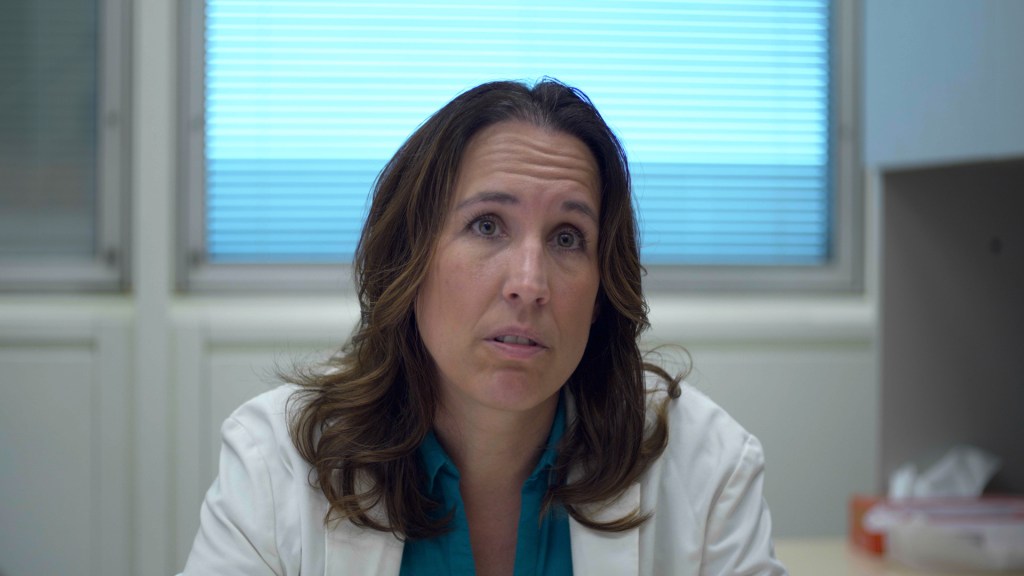
Dawn Bird as Dr. Pelletier in “Resting Potential” 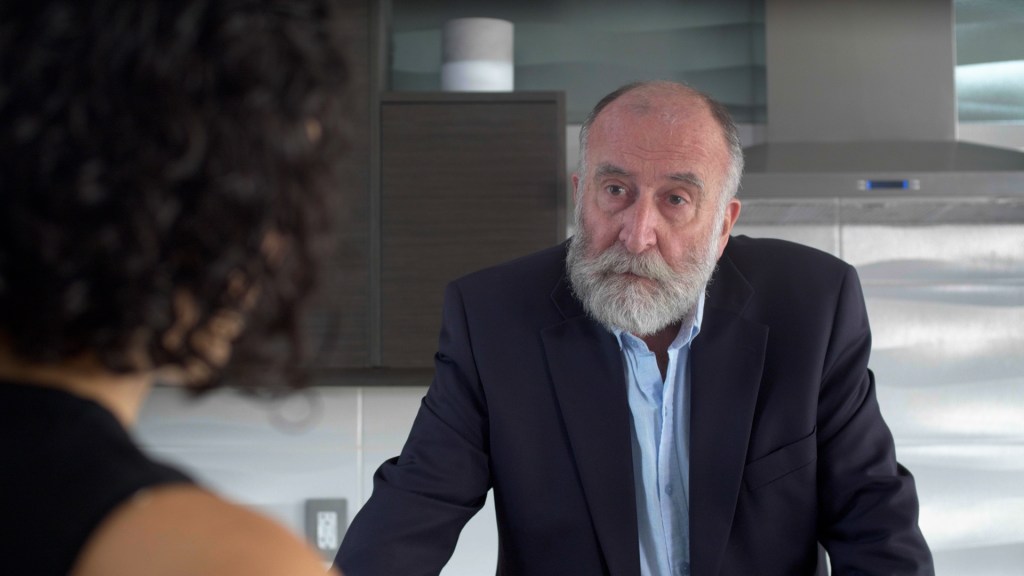
Alan Bratt as Sandy in “Resting Potential” 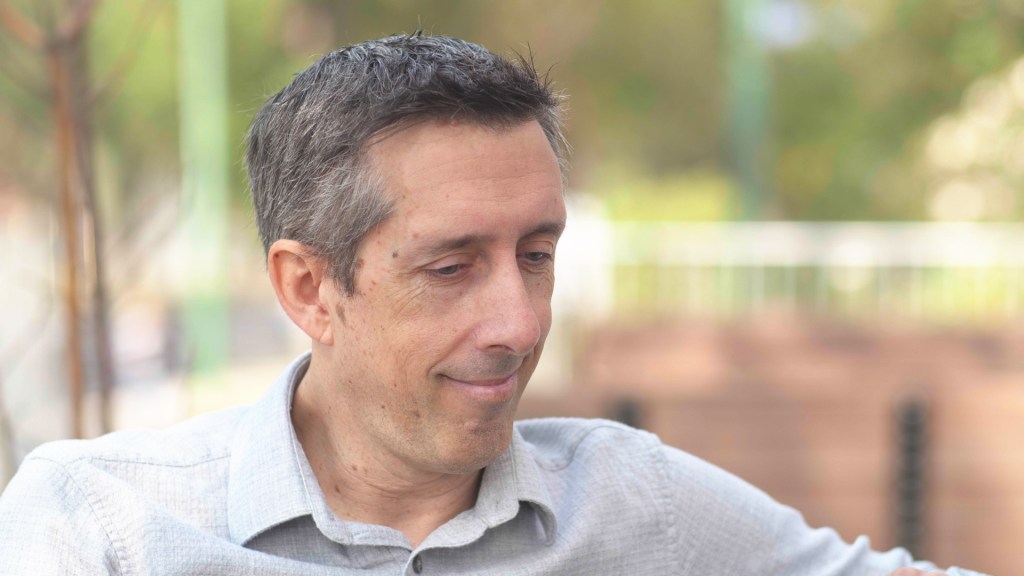
Mark Claxton as Robert in “Resting Potential”
The re-worked version of the story retained the three principal characters of the original, and I cast Kaitlyn Semple as Lucy Oser, Kate Herriot as Lucy’s best friend Sara, and Ryland Alexander as Lucy’s boyfriend Paul. Kaitlyn and Kate had been friends since infancy, and I first worked with Kate in my contribution to I Heart Regina. During the audition process, I was impressed by a young actor named Micaele Johnson, and I wrote the new character of Taylor for Micaele to play. To round out the world of the story and stay within the tight budget, I wrote characters who I’d only need for half days and cast Cavan Cunningham, Jodi Sadowsky, Dawn Bird, Alan Bratt, and Mark Claxton.
I knew I had to work with a small crew. The film industry in Saskatchewan had lost a lot of its experienced personnel in 2012 when Brad Wall’s Saskatchewan Party government killed off the film tax credit program (and most of the industry). In looking for someone to shoot the film, I came across some short films by a young man from Moose Jaw named Jeremy Ratzlaff. I thought the films were interesting, and when I talked to Jeremy I realised how thoughtful and smart he was. He was a self-taught filmmaker and camera person learning new things at a ferocious pace. Jeremy also really connected to some of the themes the screenplay explored.
I hired a former student I’d worked with, Stephanie Proulx as production manager. Stephanie dealt with a lot of the logistical needs of the project, and did invaluable work with Kaitlyn Semple sorting through the wardrobe demands of the film’s principal character Lucy Oser, who appears in all but one scene in the film. Stephanie’s mother also did some top shelf catering on some of our production days.
My colleague Ian Campbell from the Film program at the University of Regina came on board as lighting designer. I hired a Film student Morgan Kelly to help Jeremy with the camera, acting as 1st A.C. and also managing the data. David Roman was sound recorder/boom operator, and in post, David was the sound designer. Another former student Sunny Adams was able to join us on about half of our shooting days, Sunny could turn her hand to any number of things that needed doing. Another student Weiye Su helped out for a couple of days of set dressing, and also appeared on screen as an EEG technician. My sister Laurie Collins provided some invaluable help with set dressing.
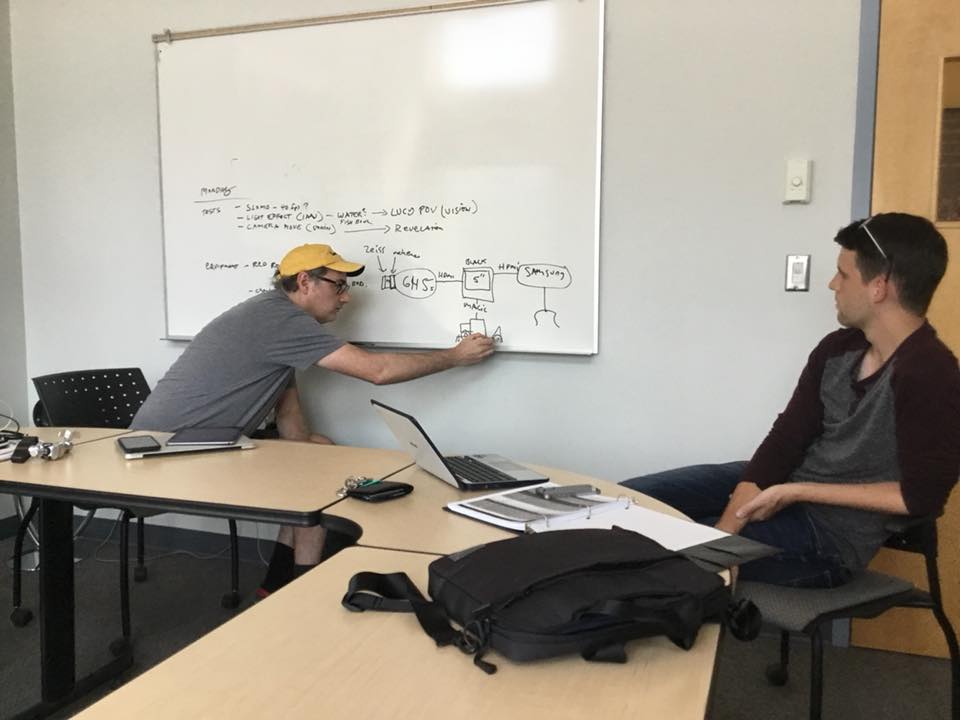
Ian Campbell & Jeremy Ratzlaff in pre-production on a 40-degree afternoon. 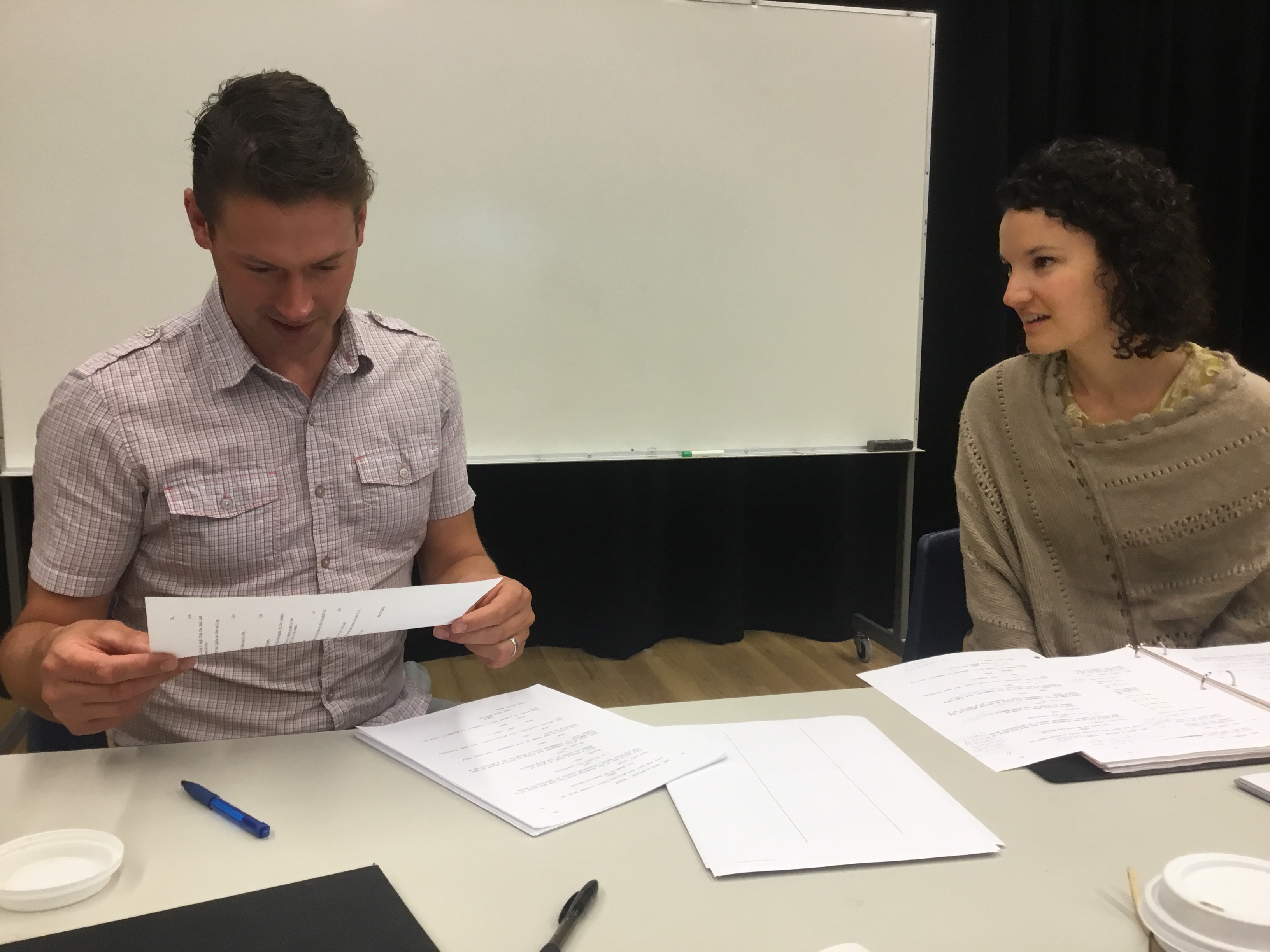
Ryland Alexander & Kaitlyn Semple in rehearsals 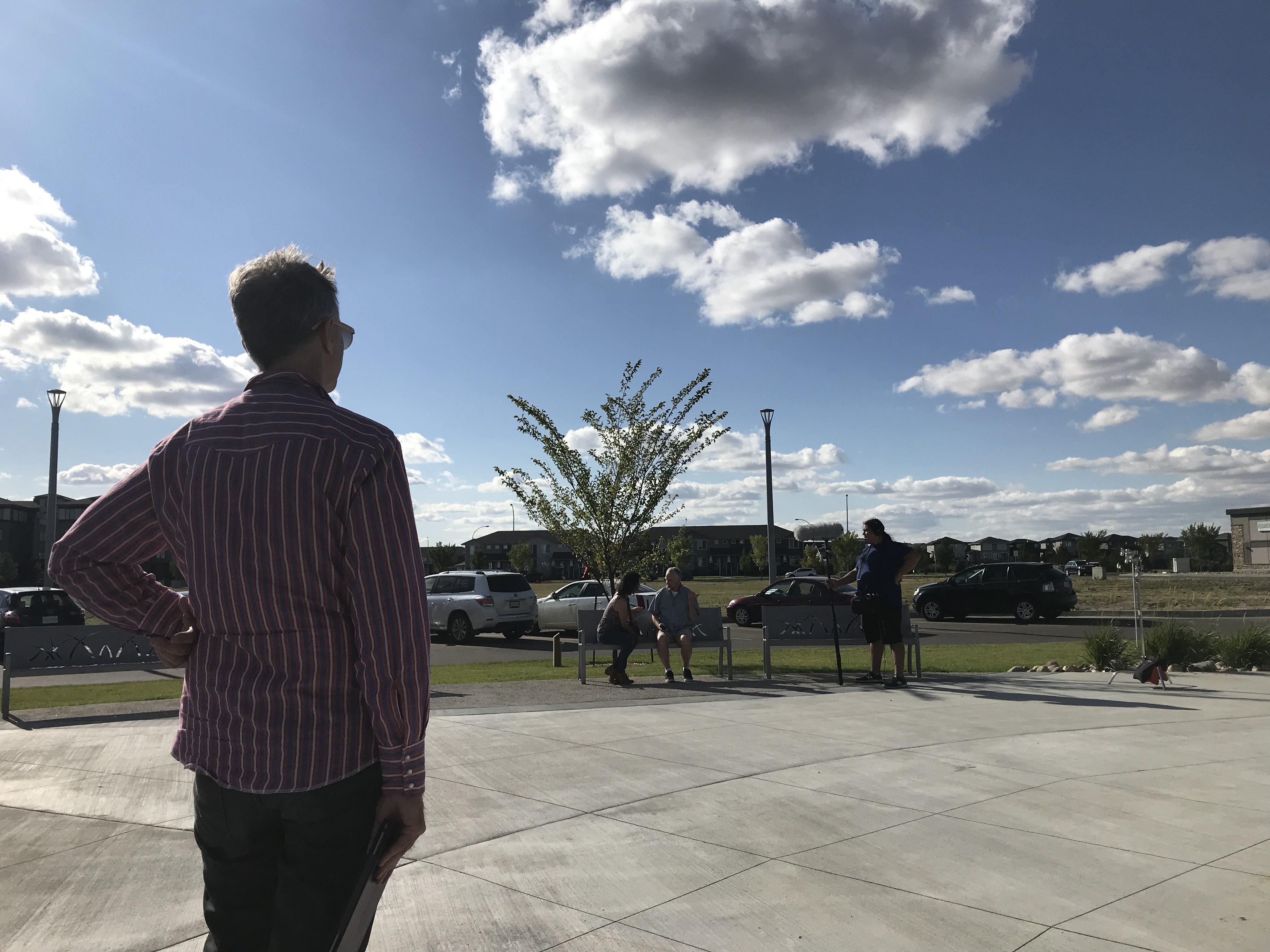
Shooting in Grasslands 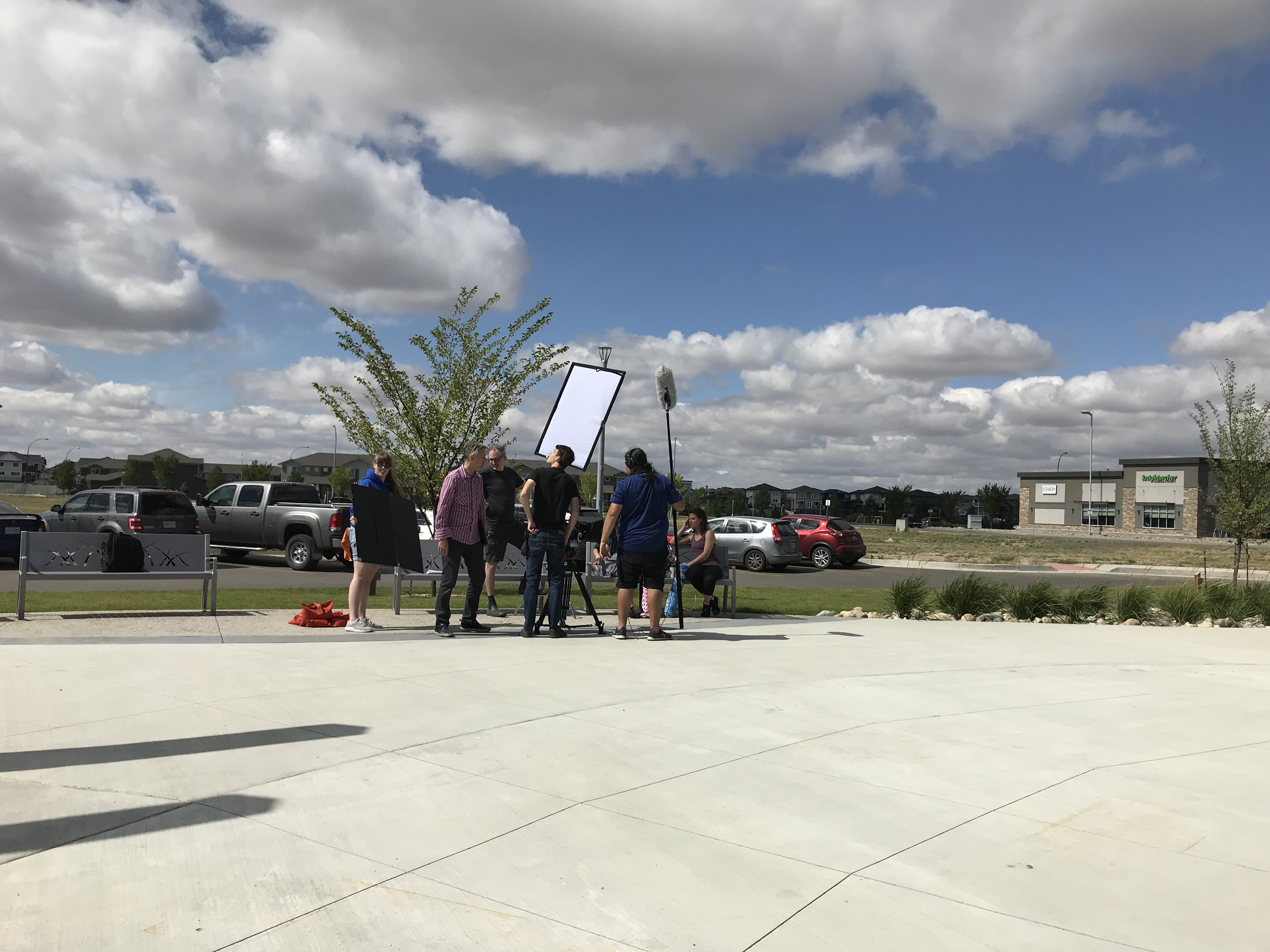
Shooting in Grasslands 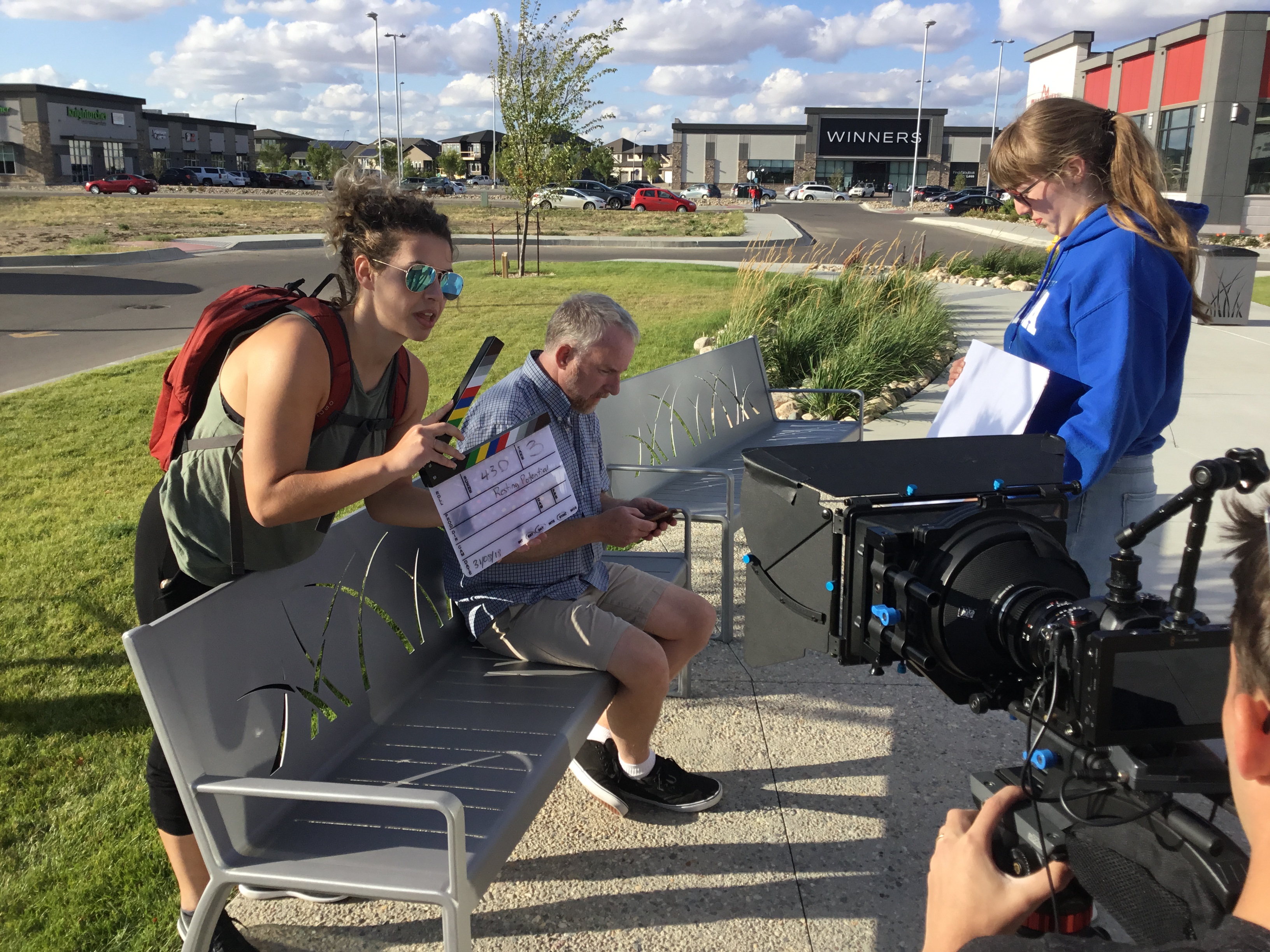
Stephanie Proulx, Cavan Cunningham and Morgan Kelly, Jeremy Ratzlaff 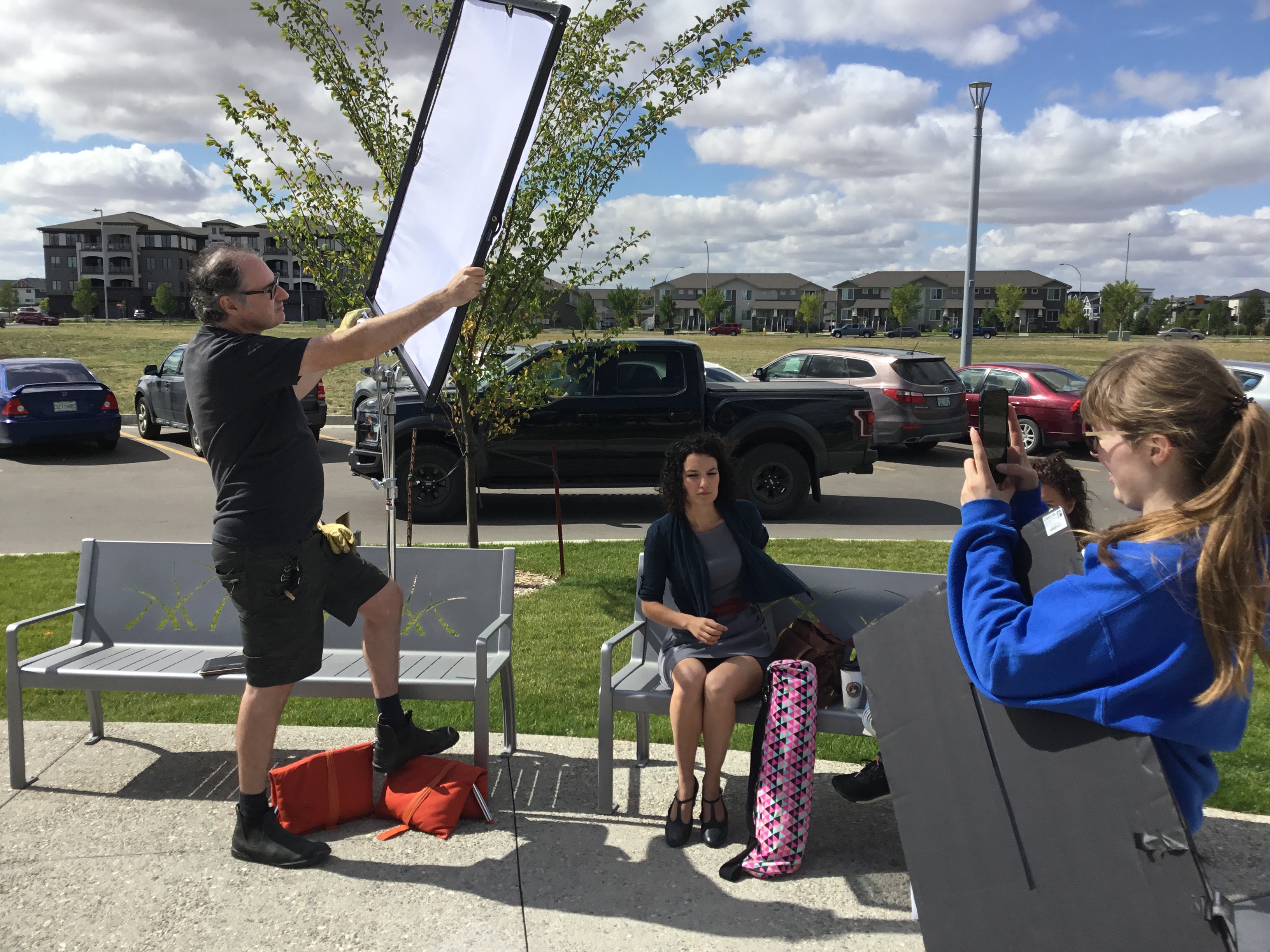
Ian Campbell, Kaitlyn Semple and Morgan Kelly 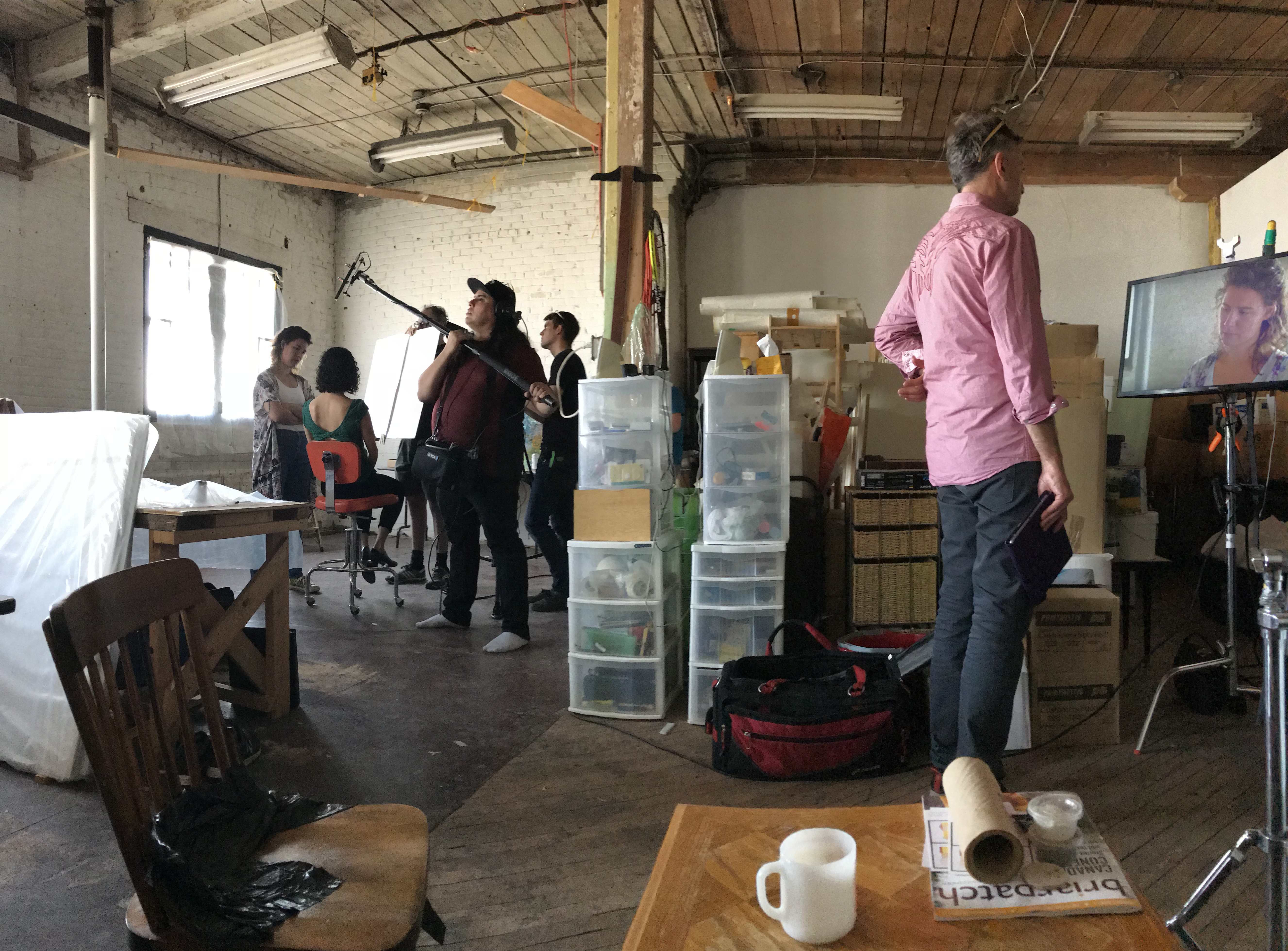
On location 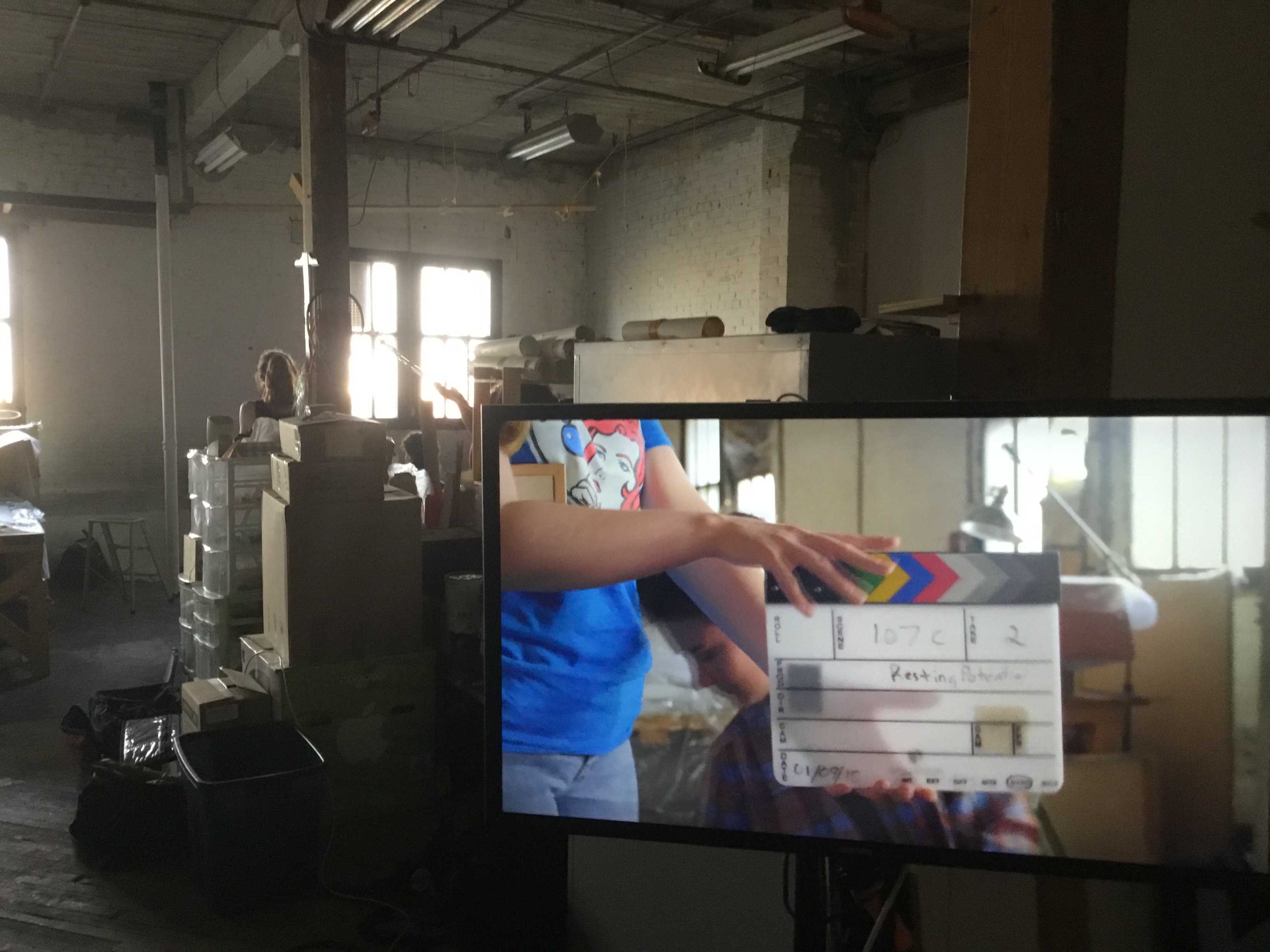
On location 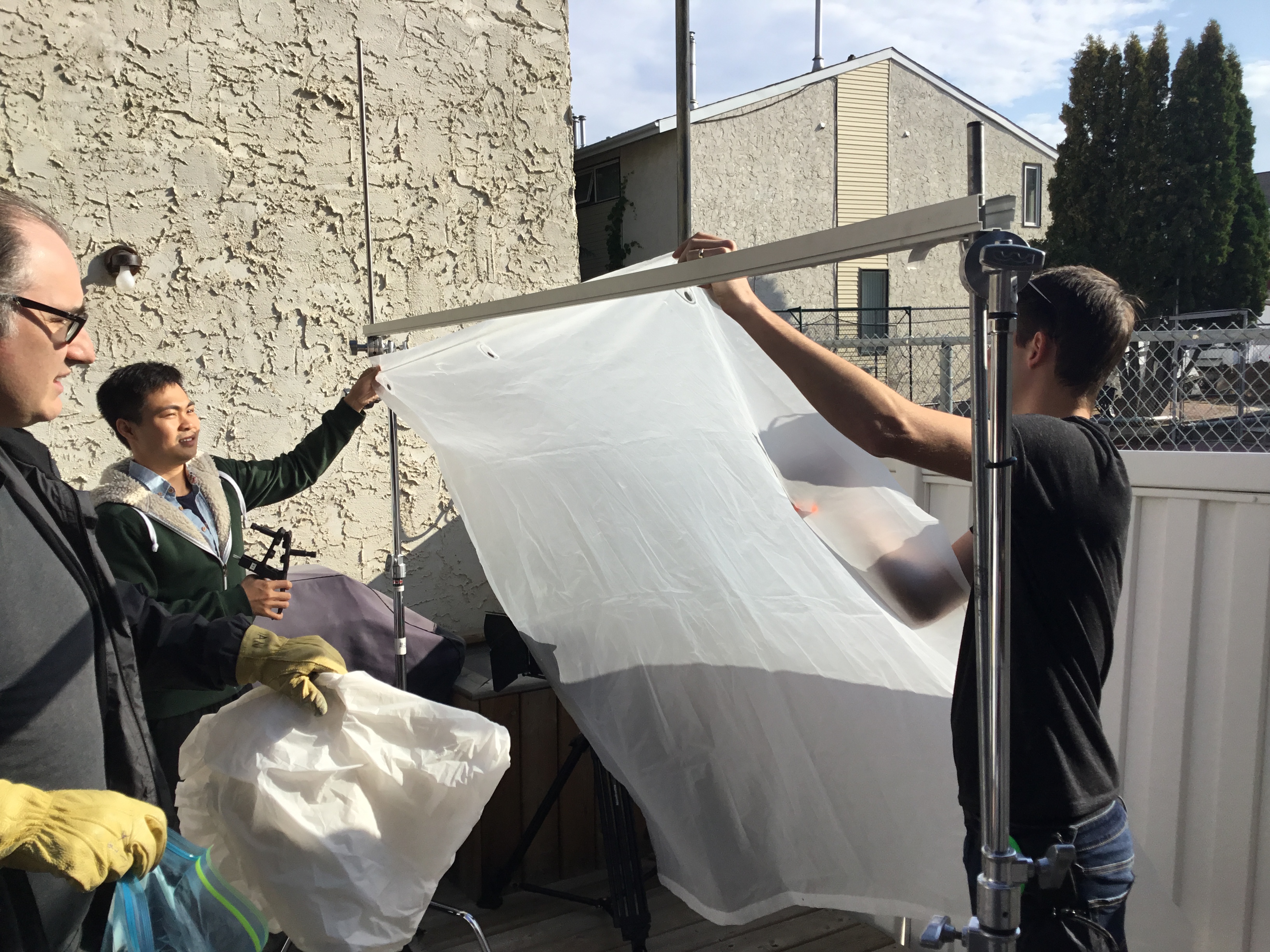
Ian Campbell, Weiye Su, and Jeremy Ratzlaff 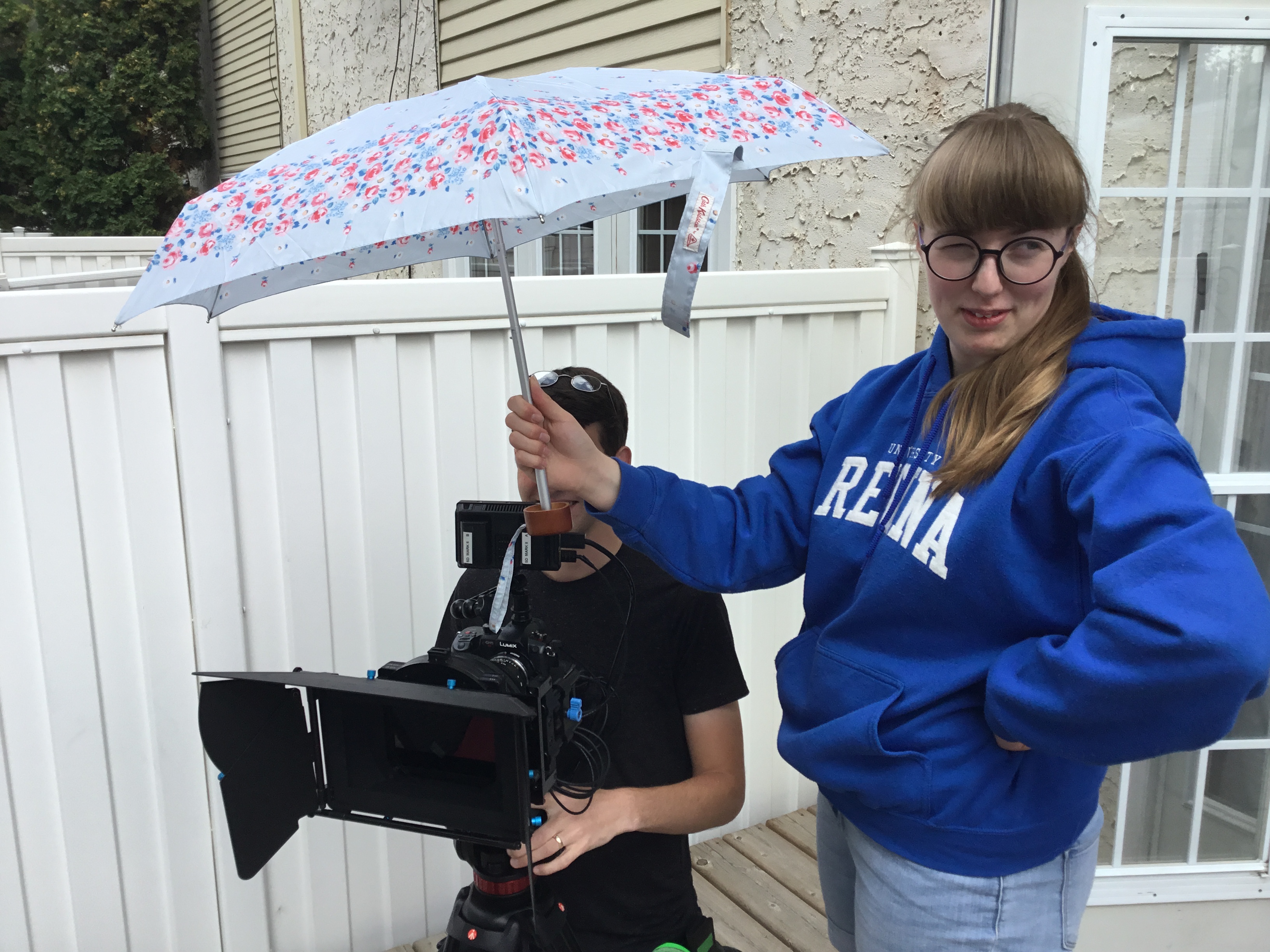
Jeremy Ratzlaff and Morgan Kelly in a light rain 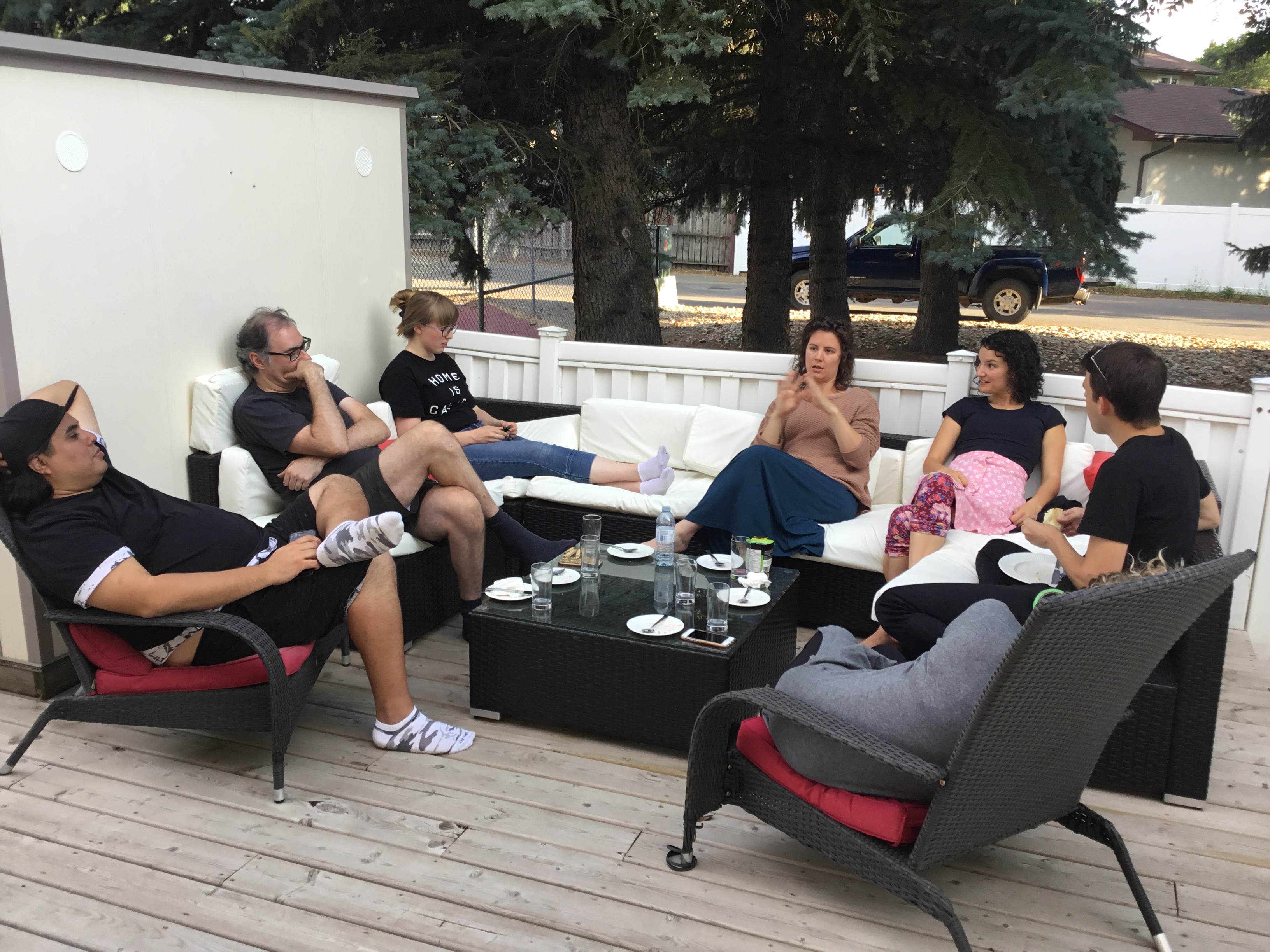
Lunch on location 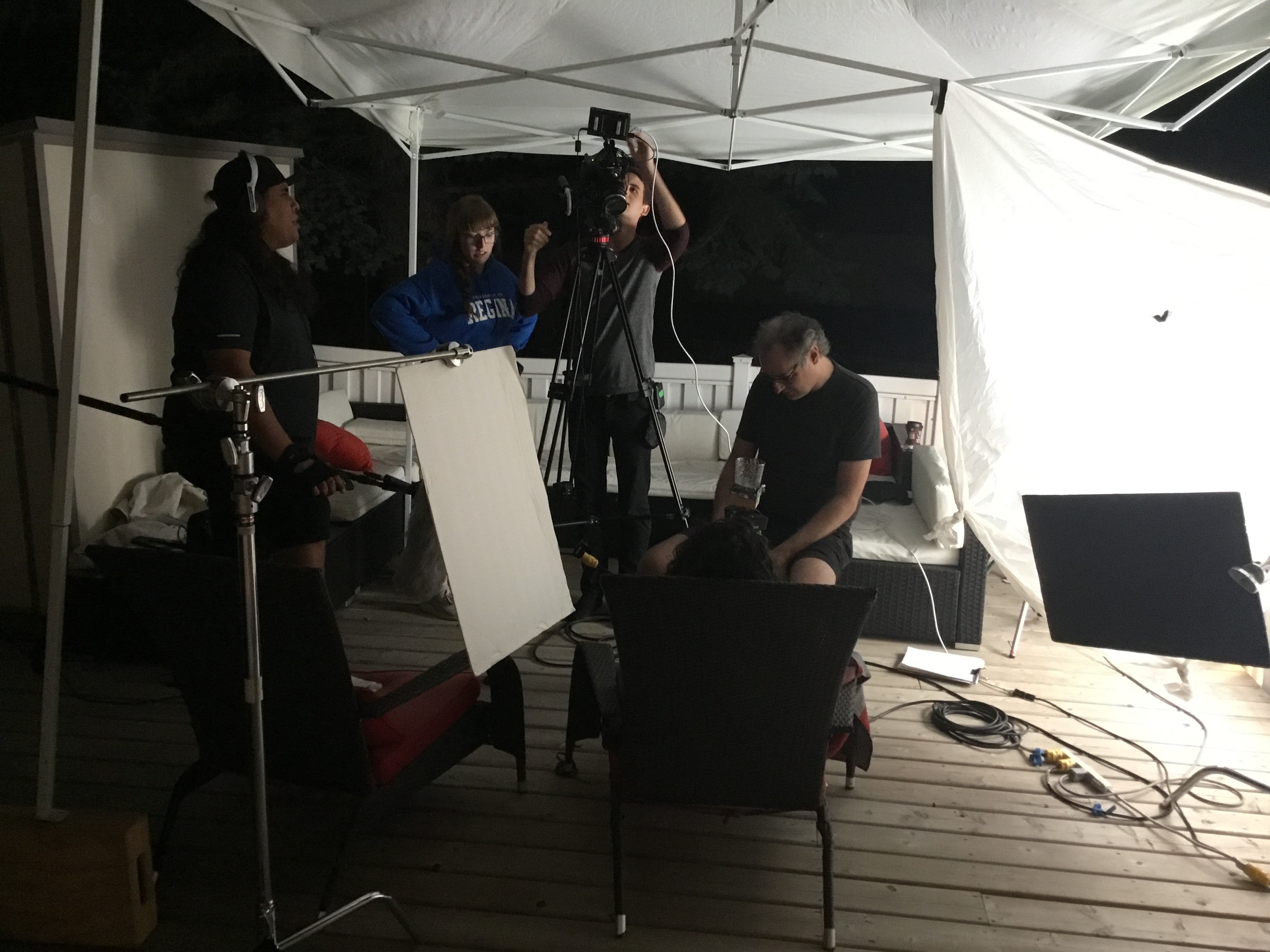
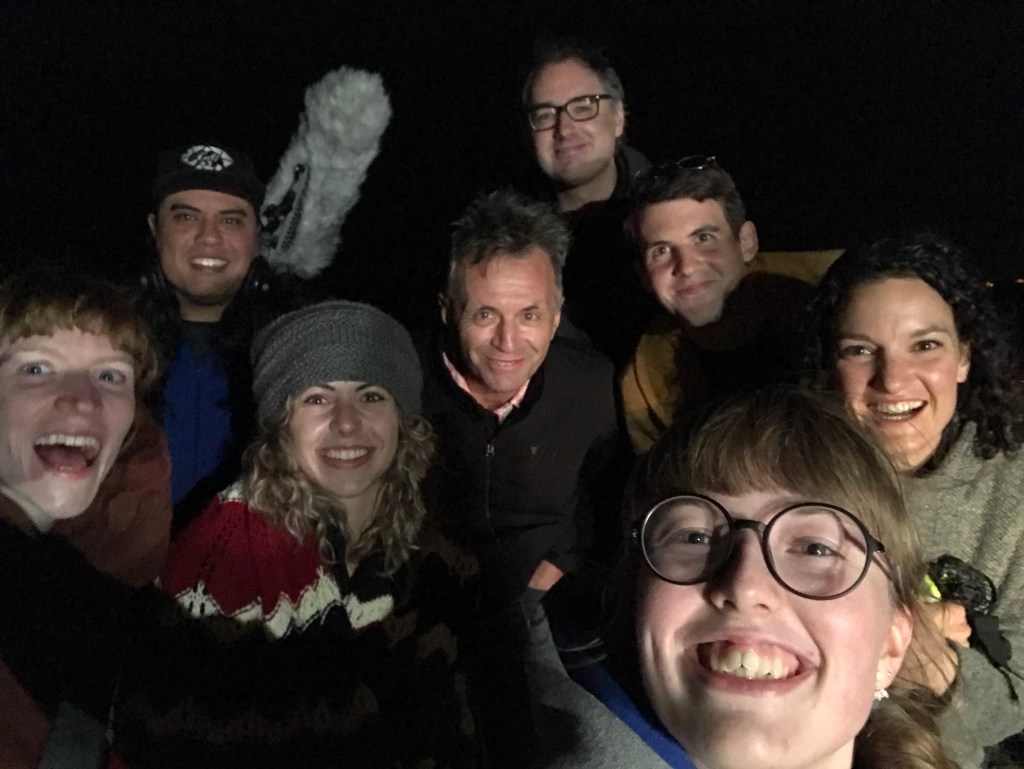
Night shoot 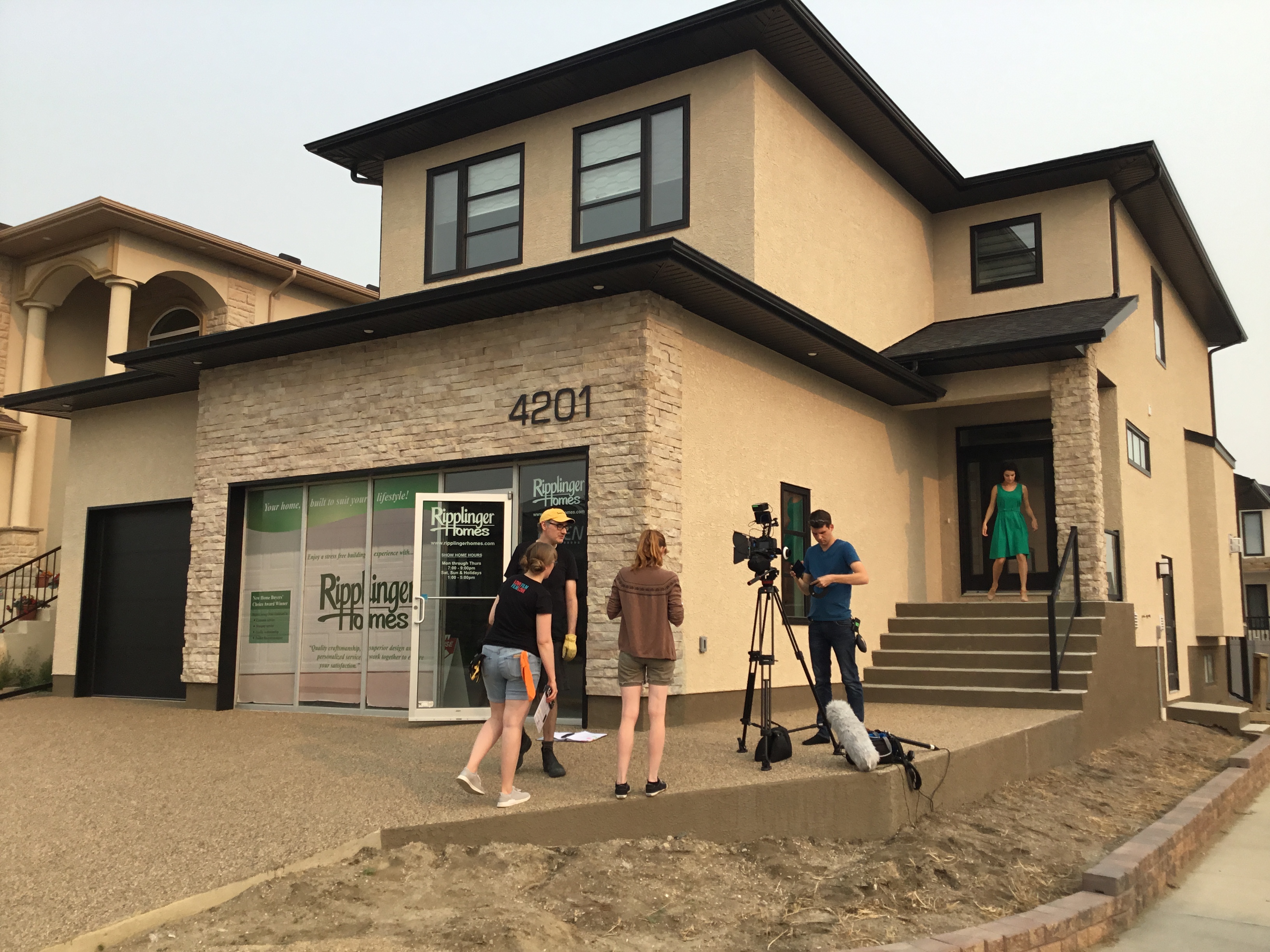
Show Home location 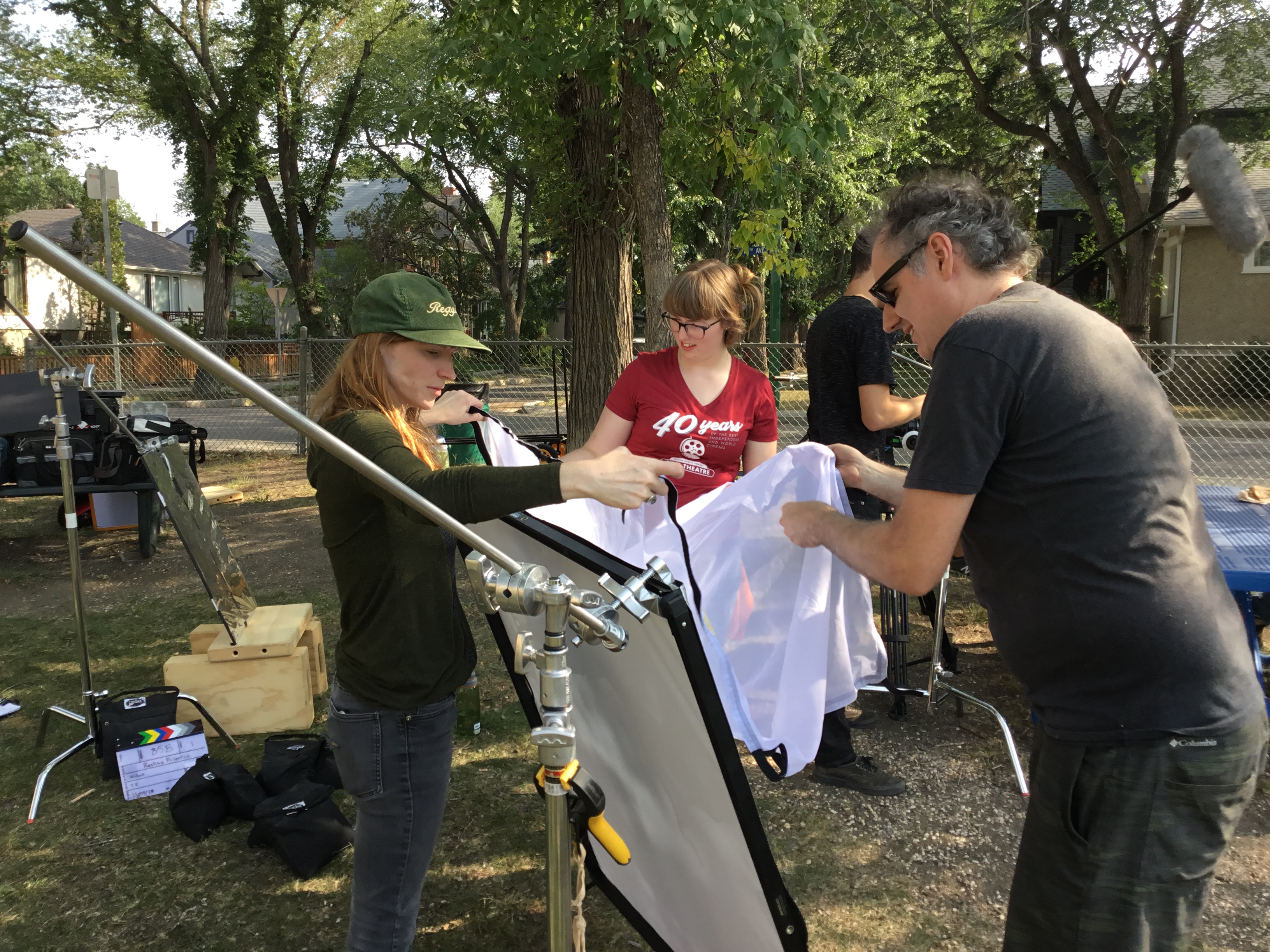
Sunny Adams, Morgan Kelly, Ian Campbell 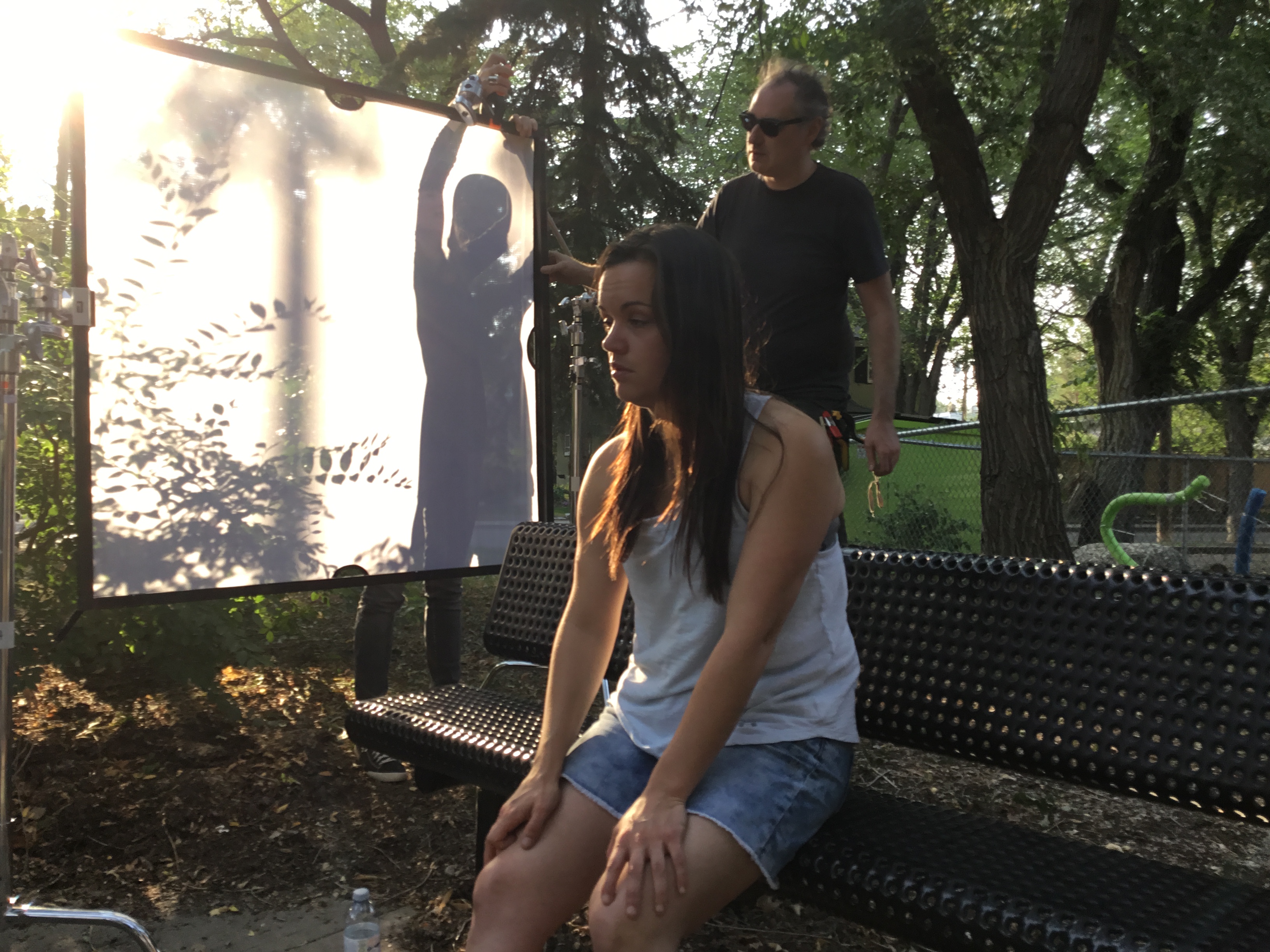
Sunny Adams, Micaele Johnson and Ian Campbell 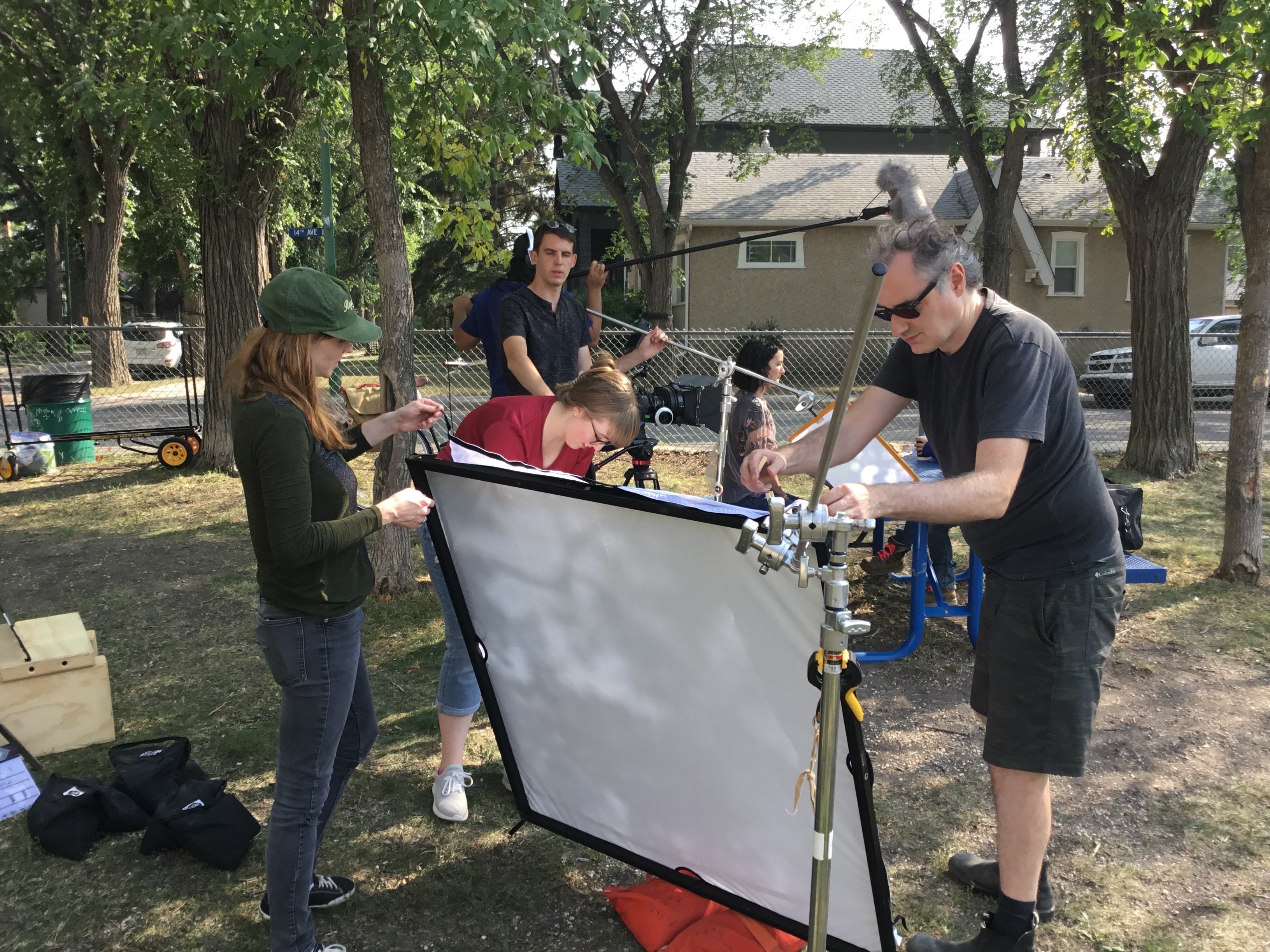
Sunny Adams, Morgan Kelly, Jeremy Ratzlaff, Ian Campbell 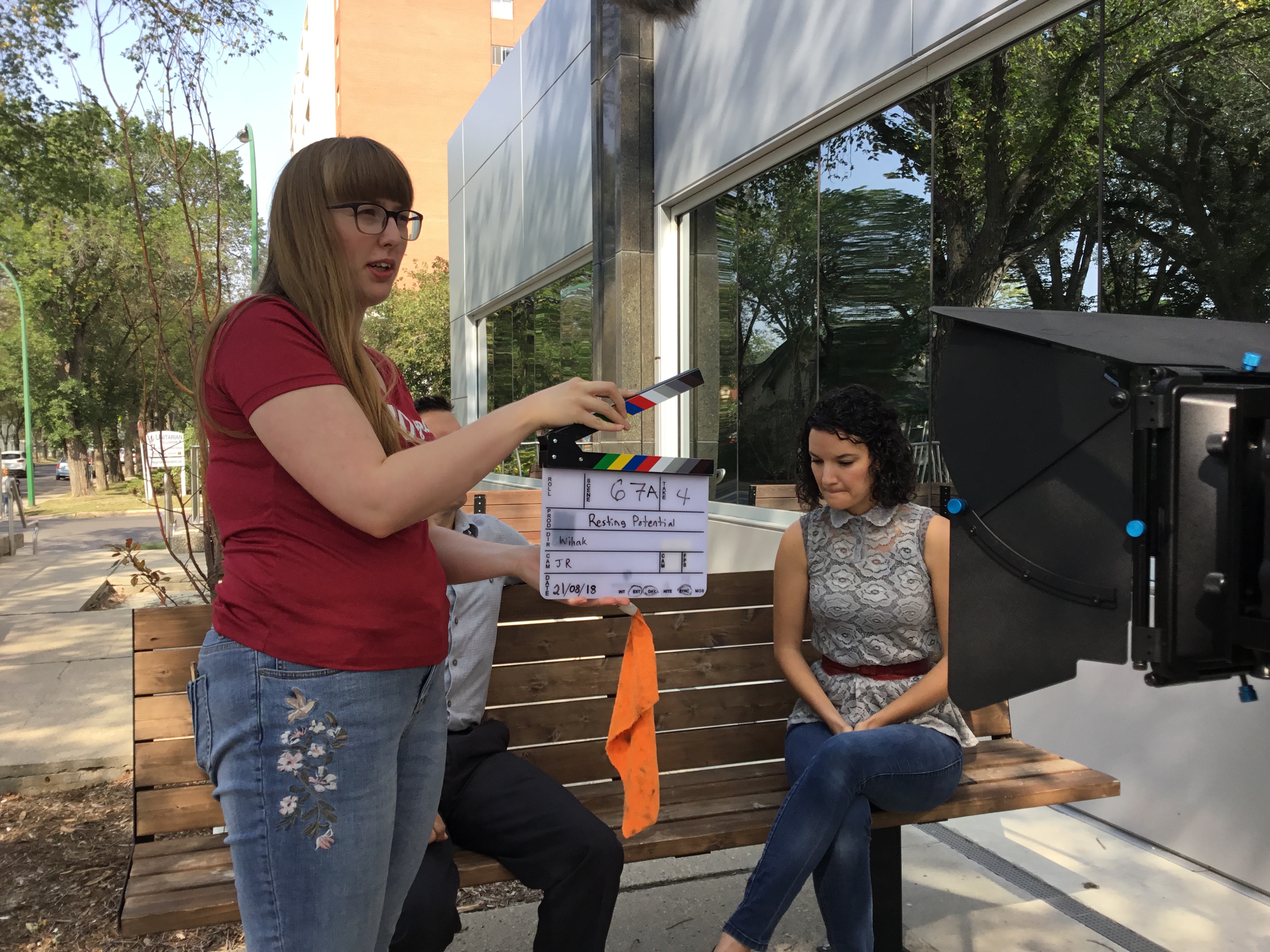
Morgan Kelly, Mark Claxton, Kaitlyn Semple 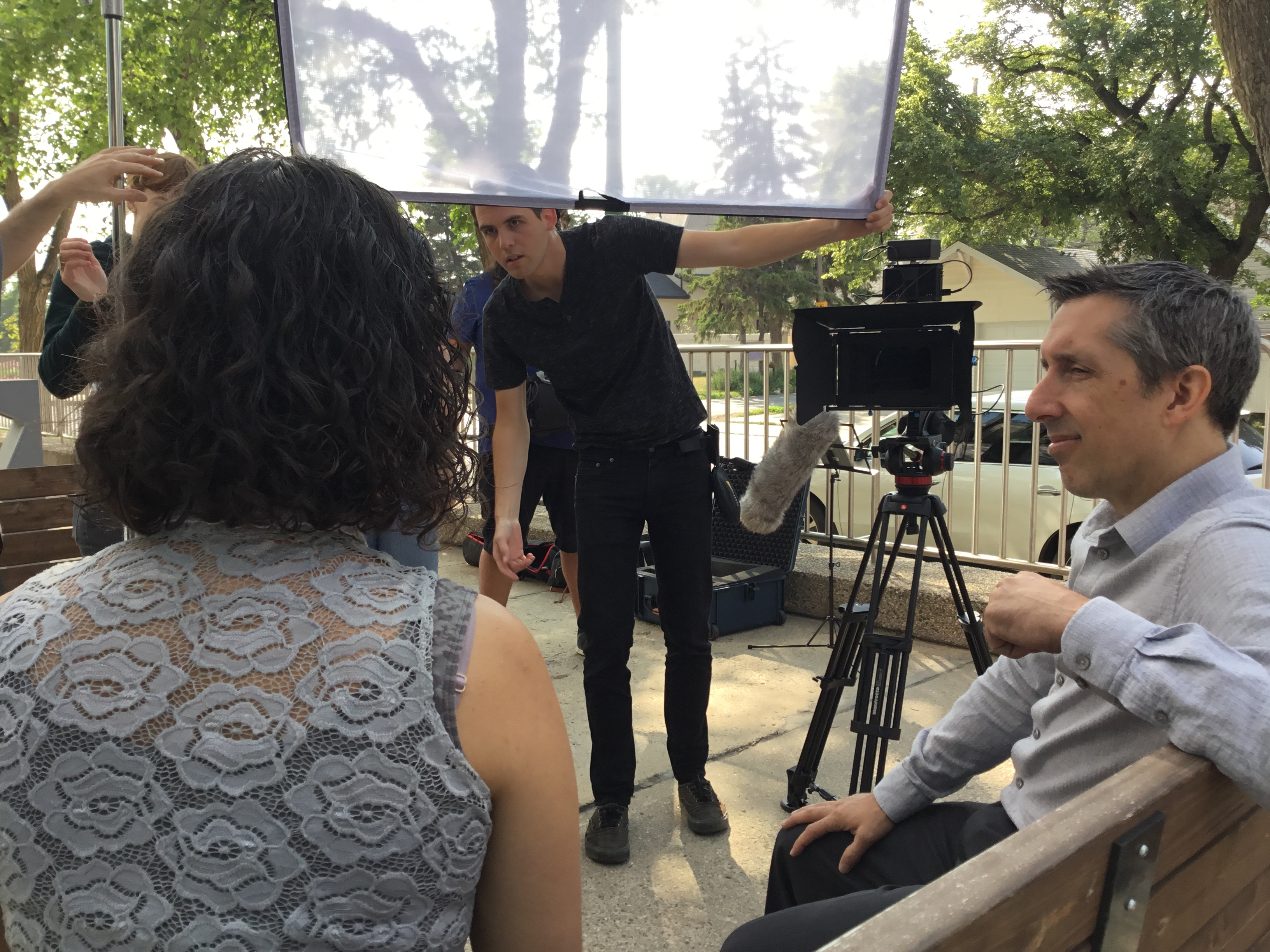
Kaitlyn Semple, Jeremy Ratzlaff, Mark Claxton 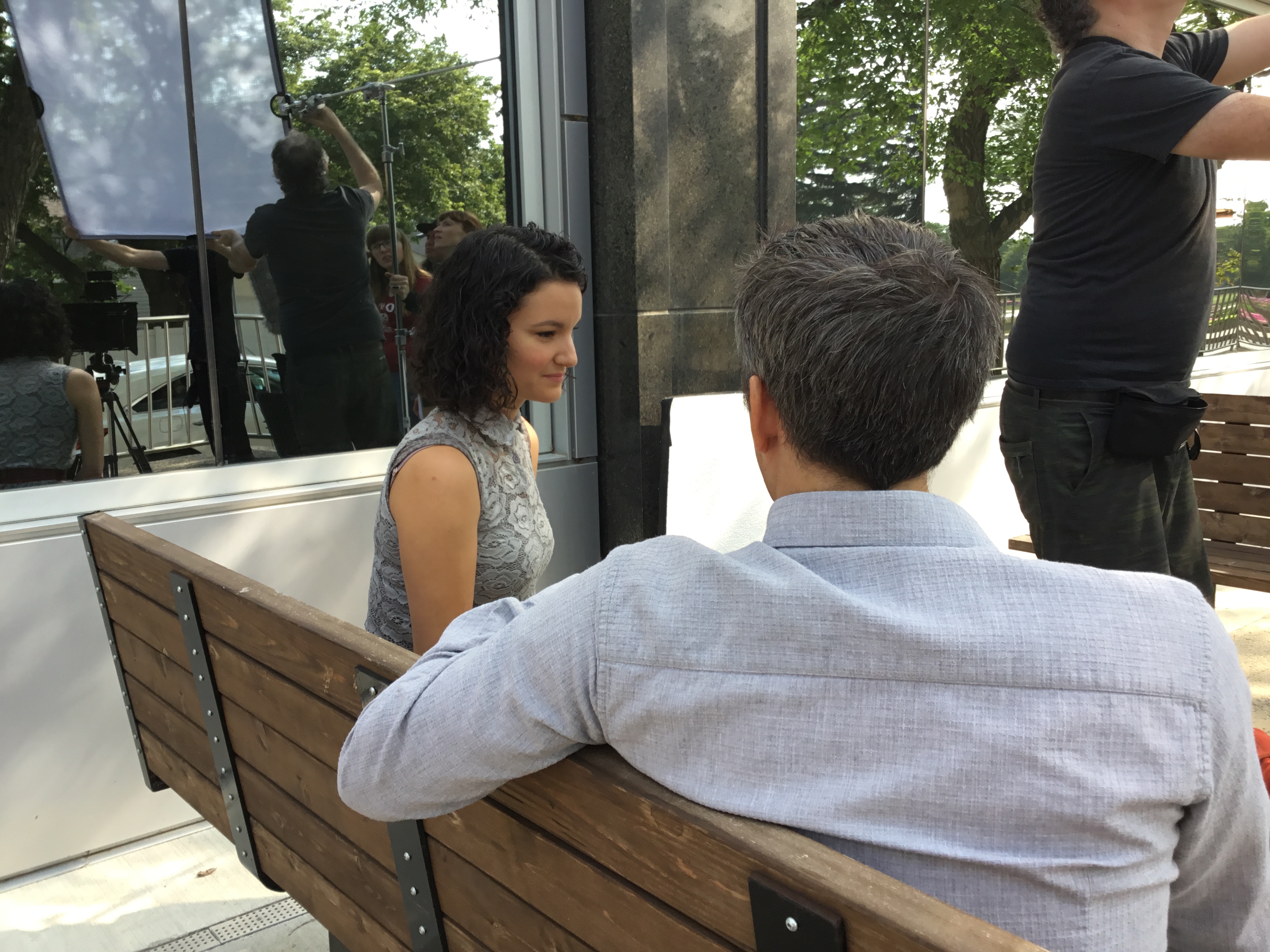
Kaitlyn Semple and Mark Claxton 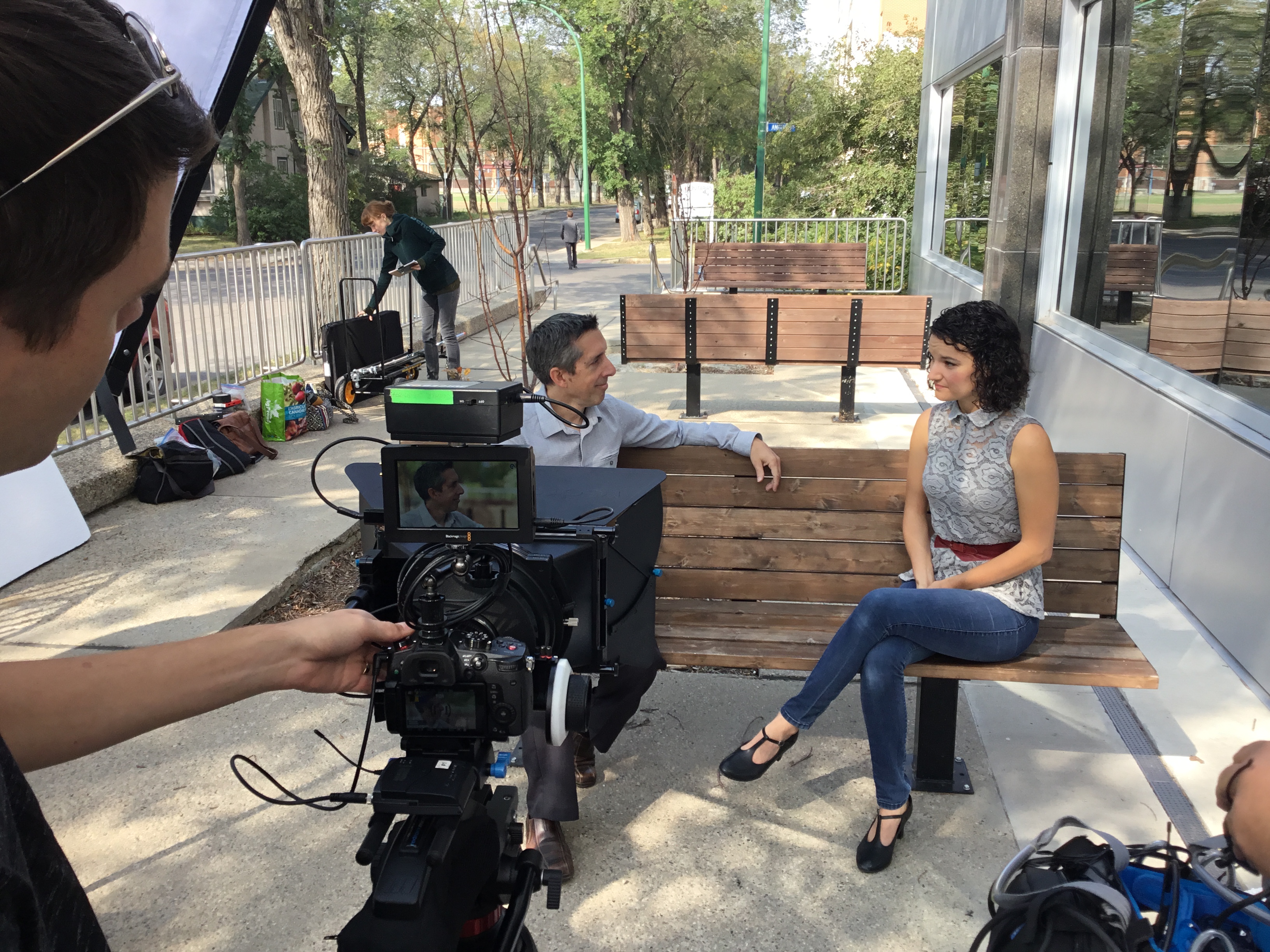
Jeremy Ratzlaff, Kaitlyn Semple and Mark Claxton 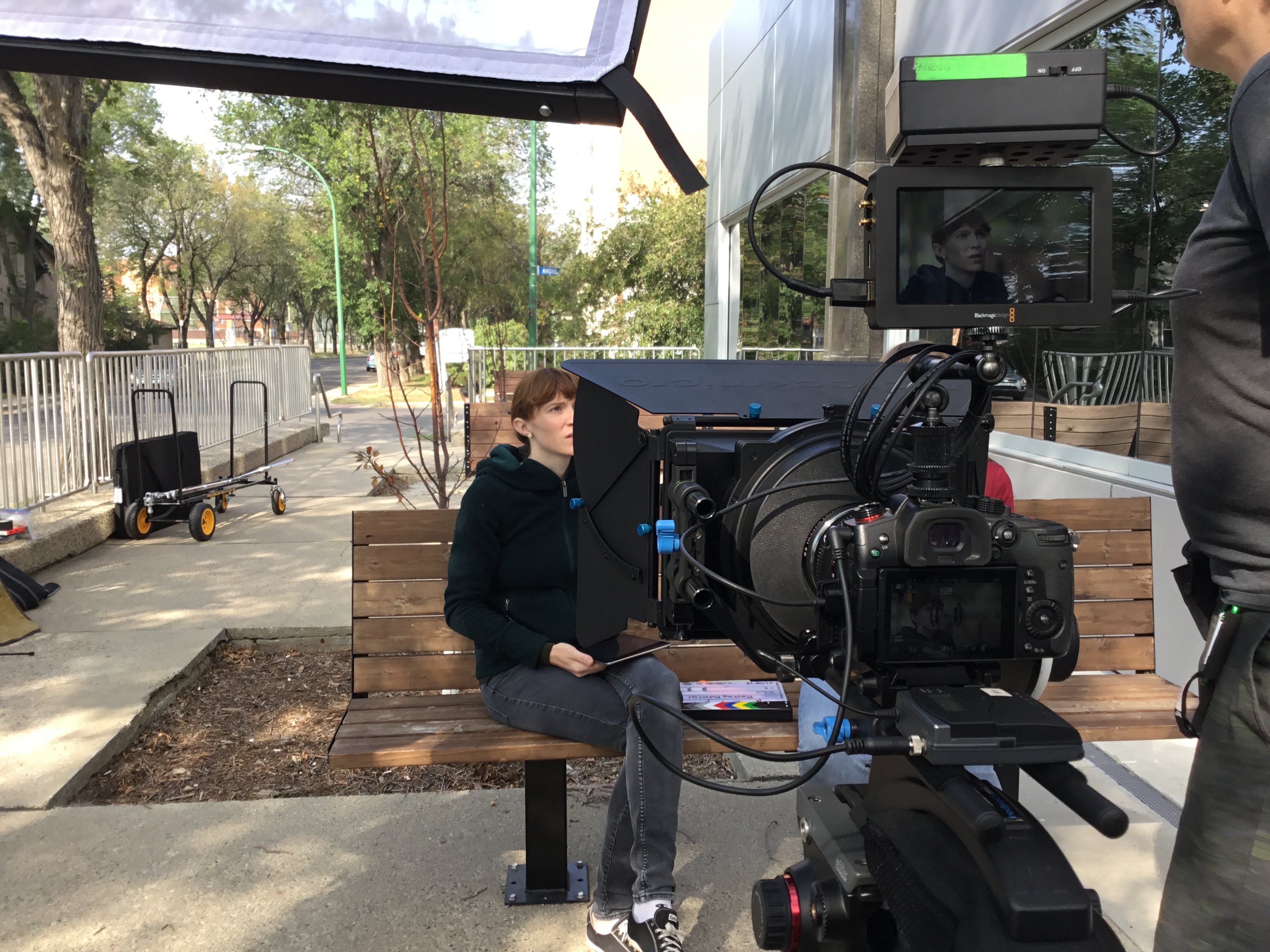
Sunny Adams 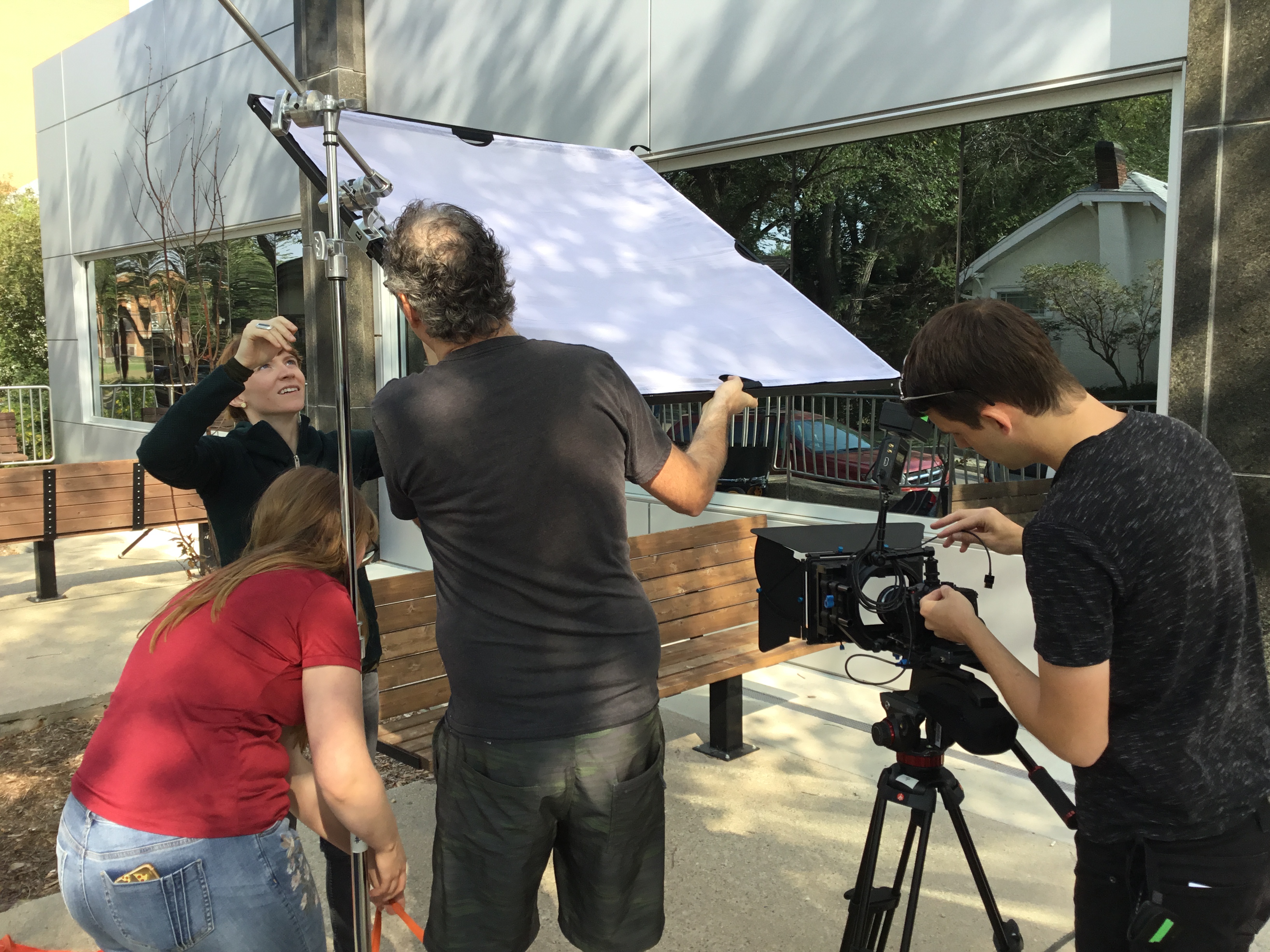
Morgan Kelly, Sunny Adams, Ian Campbell, Jeremy Ratzlaff 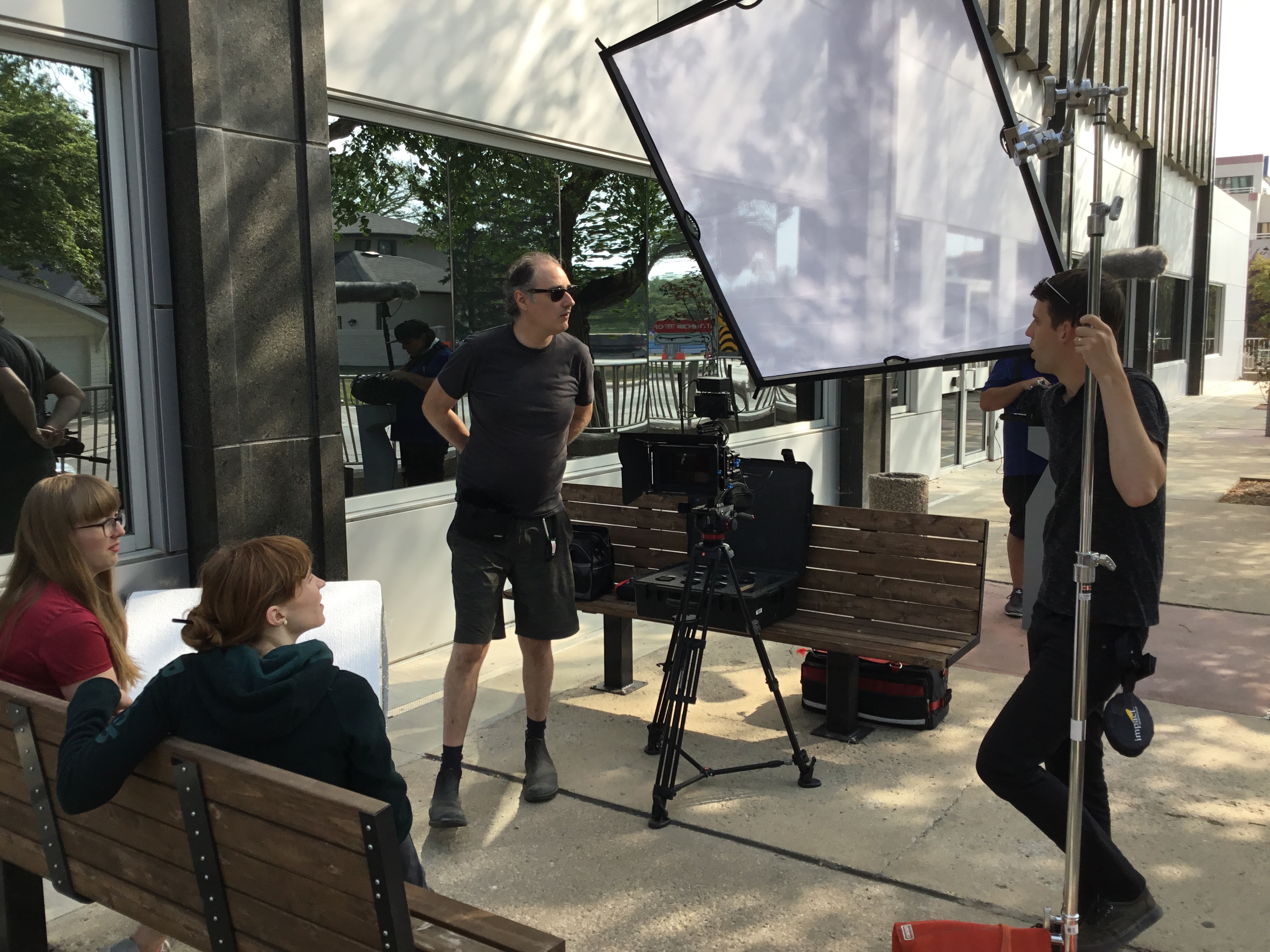
Morgan Kelly, Sunny Adams, Ian Campbell, Jeremy Ratzlaff 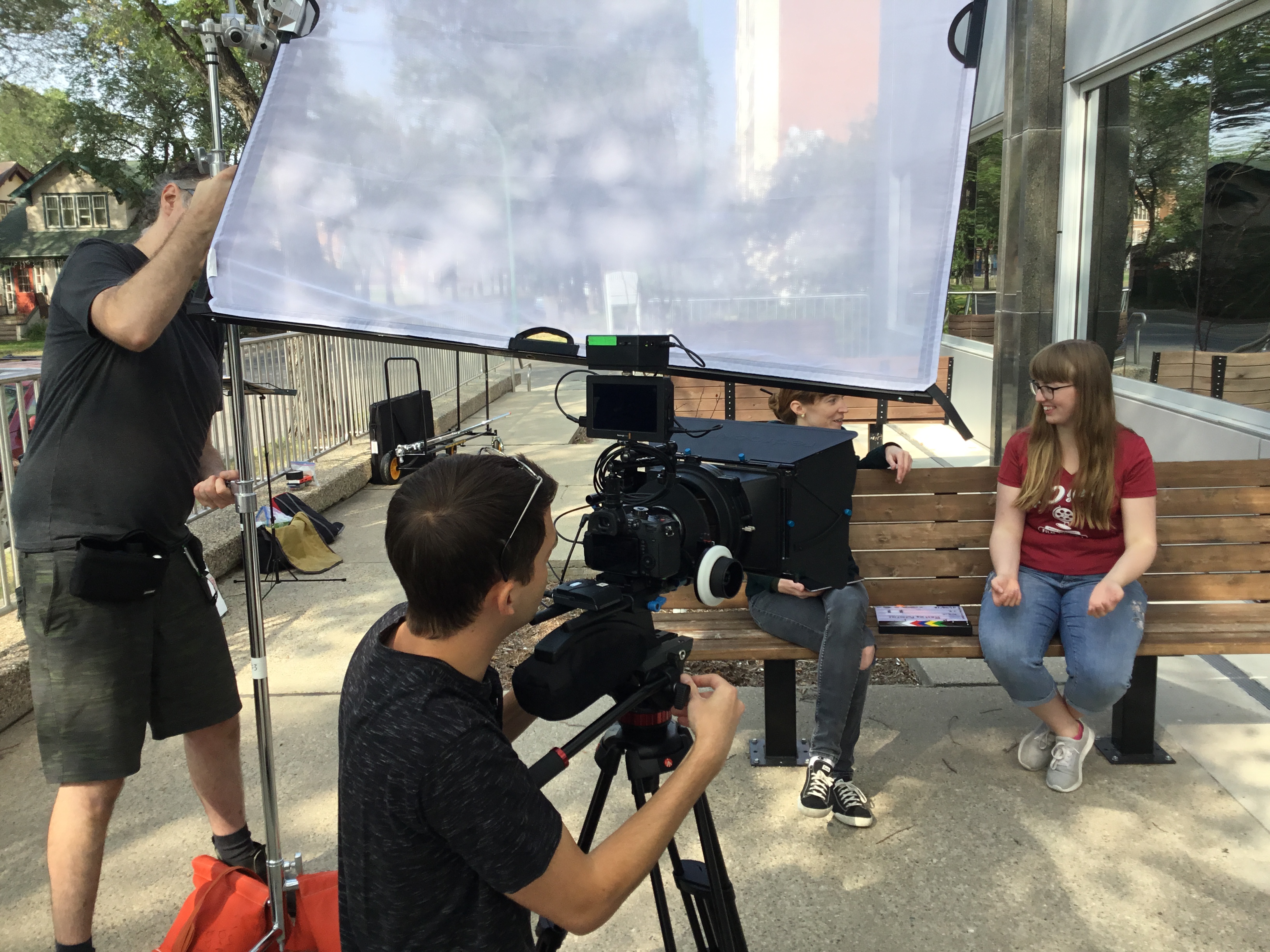
Ian Campbell, Jeremy Ratzlaff, Sunny Adams, Morgan Kelly 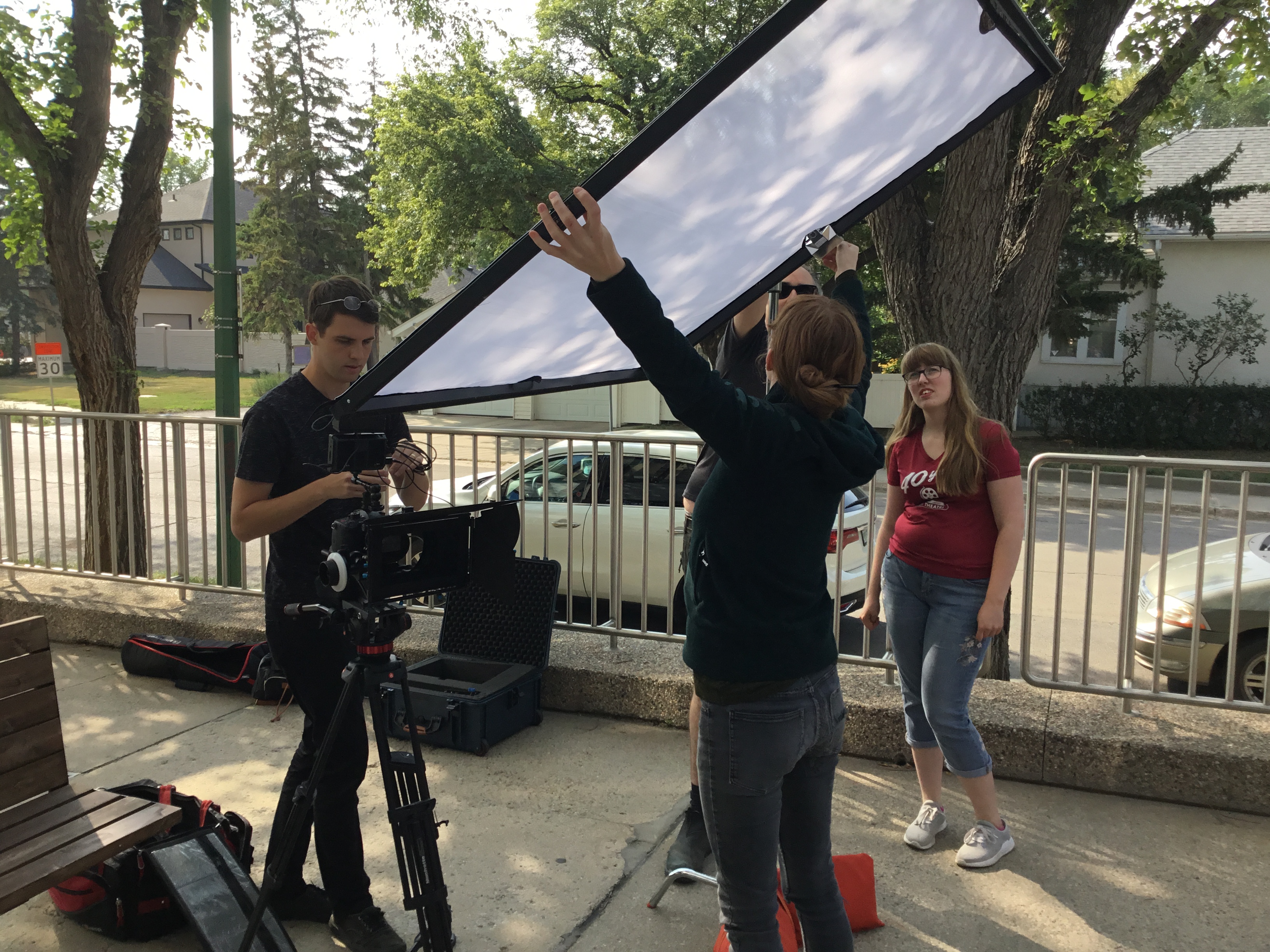
Jeremy Ratzlaff, Ian Campbell, Sunny Adams, Morgan Kelly 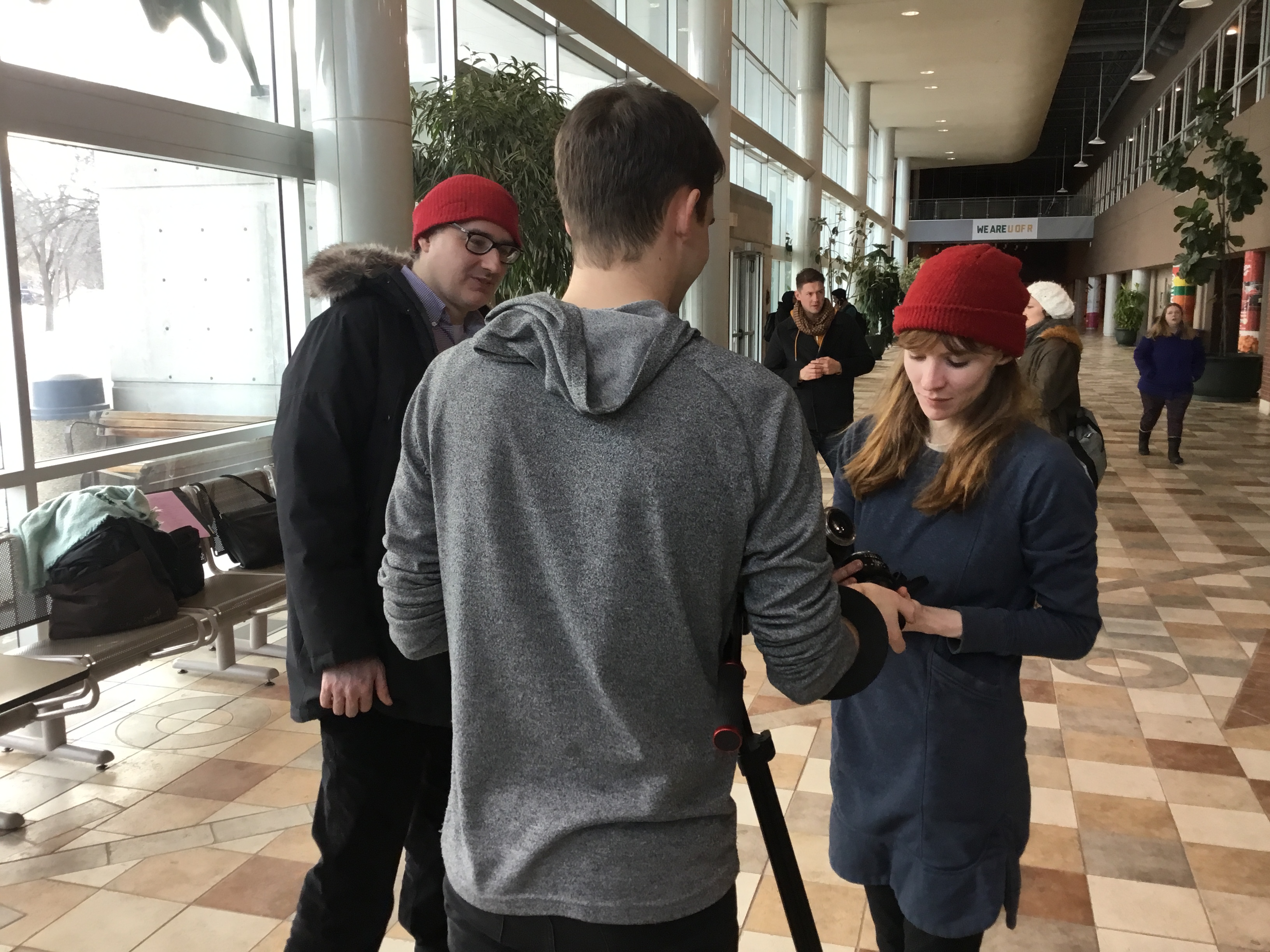
Ian Campbell, Jeremy Ratzlaff, Sunny Adams 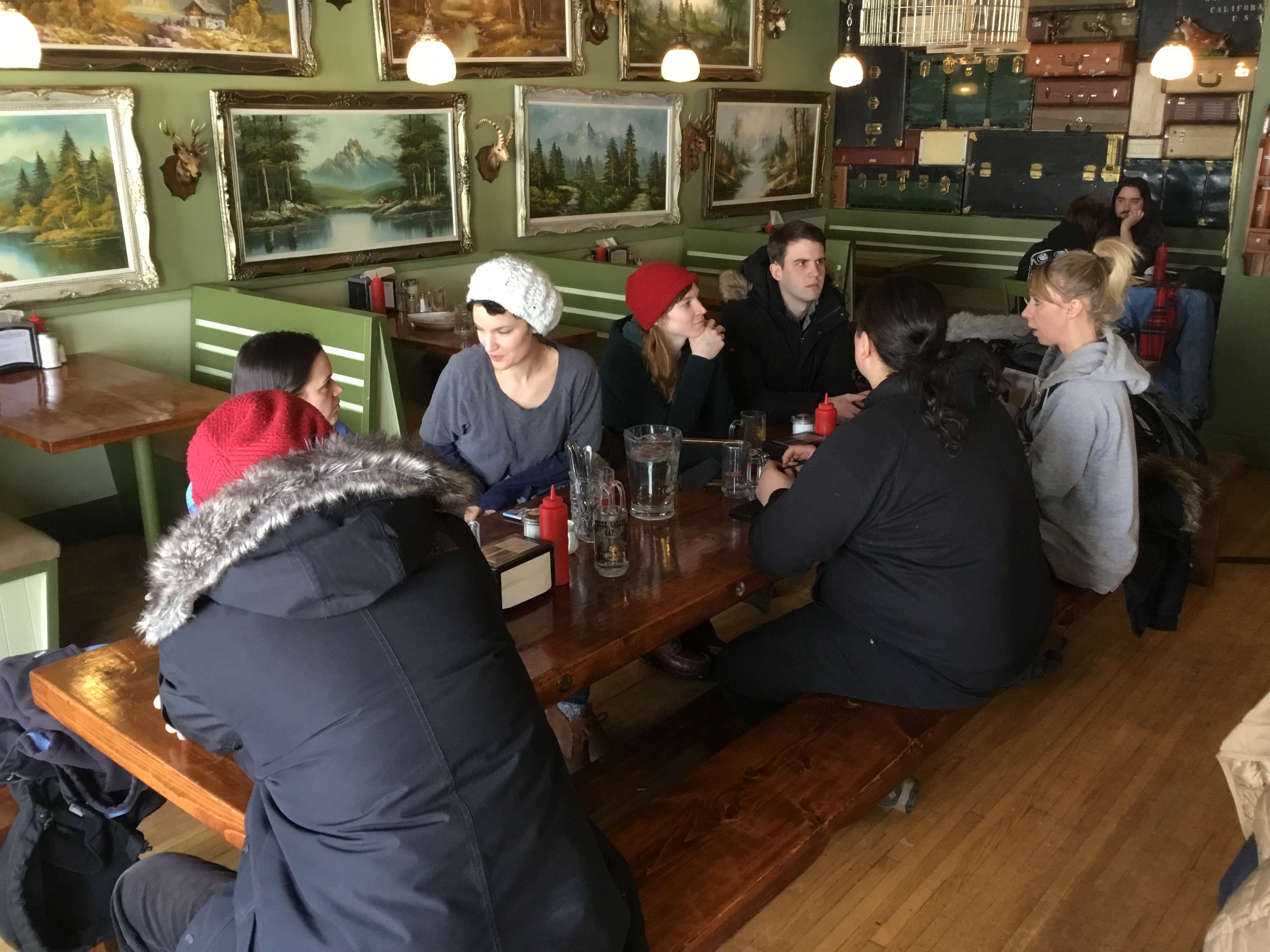
Lunch at Hunter/Gatherer 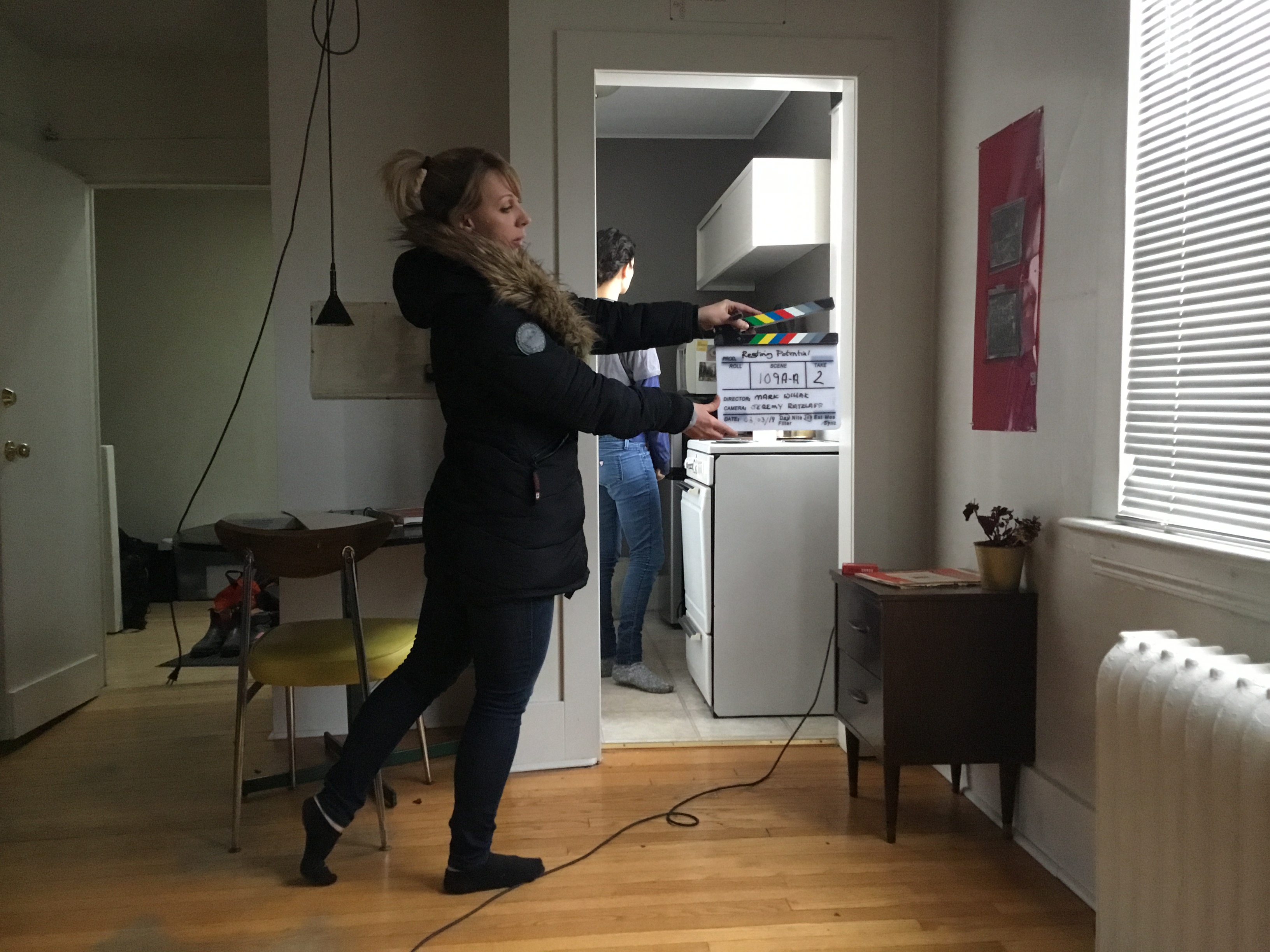
Danielle Austin, Kaitlyn Semple 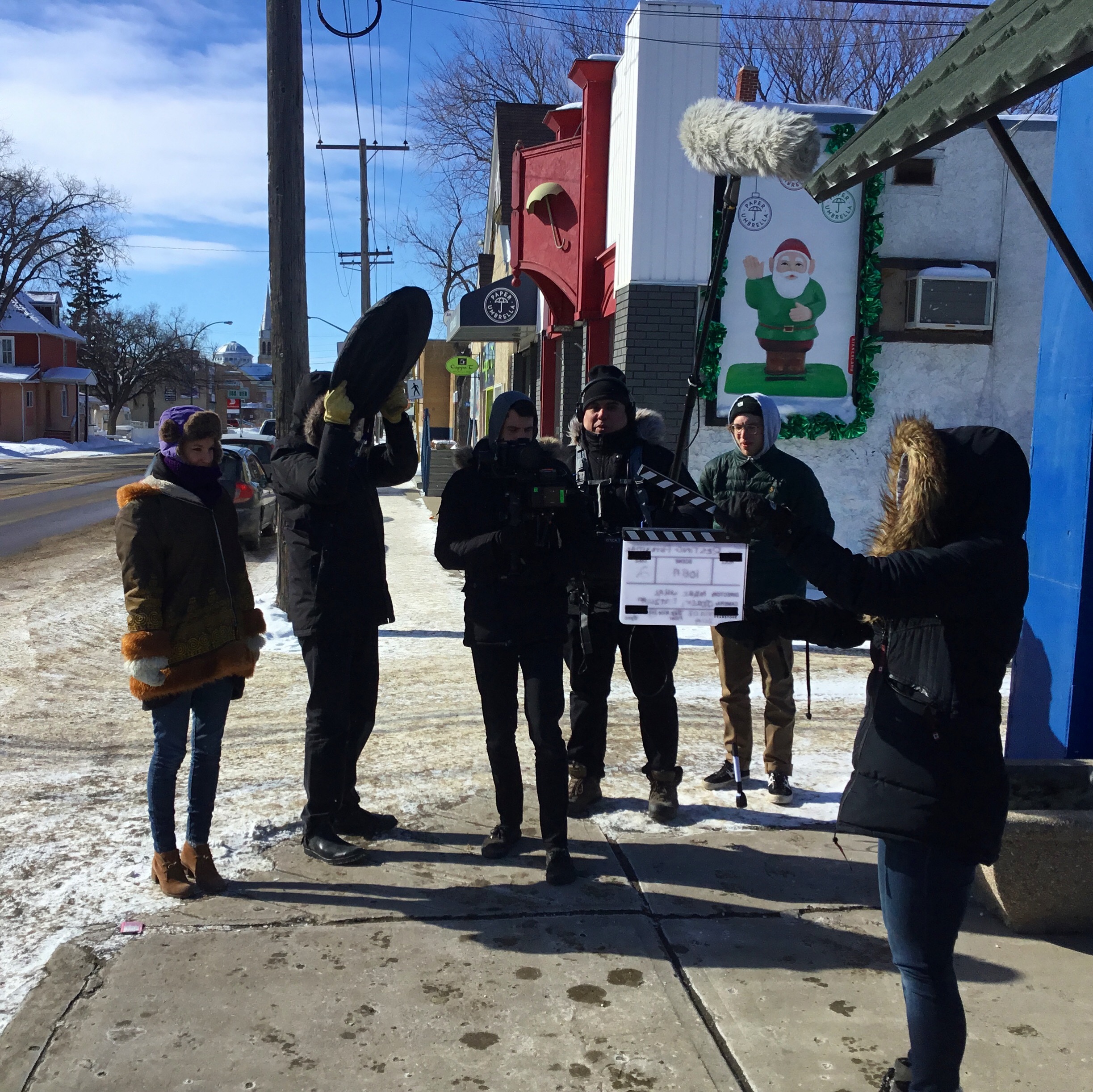
Winter shoot on a -37 degree afternoon
Resting Potential was shot over 12 days in August 2018, and two days in March, 2019. Temperatures ranged from 40 degrees on the first day of pre-production, to -37 with windchill during the March shoot. Another former student Danielle Austin took over Morgan’s place as A.C. for the March shoot because Morgan was back in classes.
I was so happy to finally get this film shot after almost 20 years of trying, and I’m grateful to all the people who helped me do it. But it was by far the hardest film shoot I’ve been involved in. Despite scaling the screenplay back from its original form, there were still too many locations and scenes to easily manage on our budget, and the logistics of doing this with our tiny crew at times almost felt overwhelming.
The intention was to edit the film in the spring/summer of 2019 and get it out into the world that fall, but real life intruded. My editor (and spouse) Wanda Schmöckel and I both had parents whose health began to fail in the summer of 2019, and when COVID-19 happened, things slowed down even more. It wasn’t until mid-2022 that we were able to return to anything like full-time work on the film.
We finally got to picture lock in the fall of 2022, and David Roman began sound design work at Roman Empire Studios. David hired a couple former students I’d worked with at the U of R: Kyle Parkinson and Laura Psotka. Kyle and Laura have subsequently taken the reins at Roman Empire Studios, and David became a colleague in the Faculty of MAP at the University of Regina.
Ernie Dulanowsky, a wonderful composer, radio host and experimenter with electronic sounds, did the original score for the film. Ernie passed away suddenly in October 2024. You can still find his music on Soundcloud.
Resting Potential was released one chapter a day beginning in November 2022. I built a website for the film where each chapter was available, and it was also available on Vimeo, YouTube, and Facebook.
The experience of self-streaming distribution was an interesting route to try, but I did miss having the film screen to an audience gathered in one place, as one gets going the film festival route. The one time it played to a room of people was the cast and crew screening before the online launch.
Despite its chapterized form, I consider Resting Potential to be a feature film. It’s definitely not a web-series.
Lucy Oser’s surname is a homage to Jean Oser, who appears in The Ballad of Don Quinn and again in River.
You can find more on the Resting Potential Facebook and Instagram, and a 2006 draft of the screenplay of Golden, the original interpretation of the story when it was a “low budget” feature, can be found on the Other Stuff page of this website.
Kaitlyn Semple
Kate Herriot, Ryland Alexander, Micaele Johnson
Cinematographer – Jeremy Ratzlaff, Lighting Designer – Ian Campbell
Production Manager – Stephanie Proulx, Editor – Wanda Schmöckel
Composer – e. dulanowsky, Writer/Director/Producer – Mark Wihak
