Other Stuff
While most of my work has been motion-picture based, there are some other things I’ve worked on over the years that aren’t.
Tom Berner Award 2002
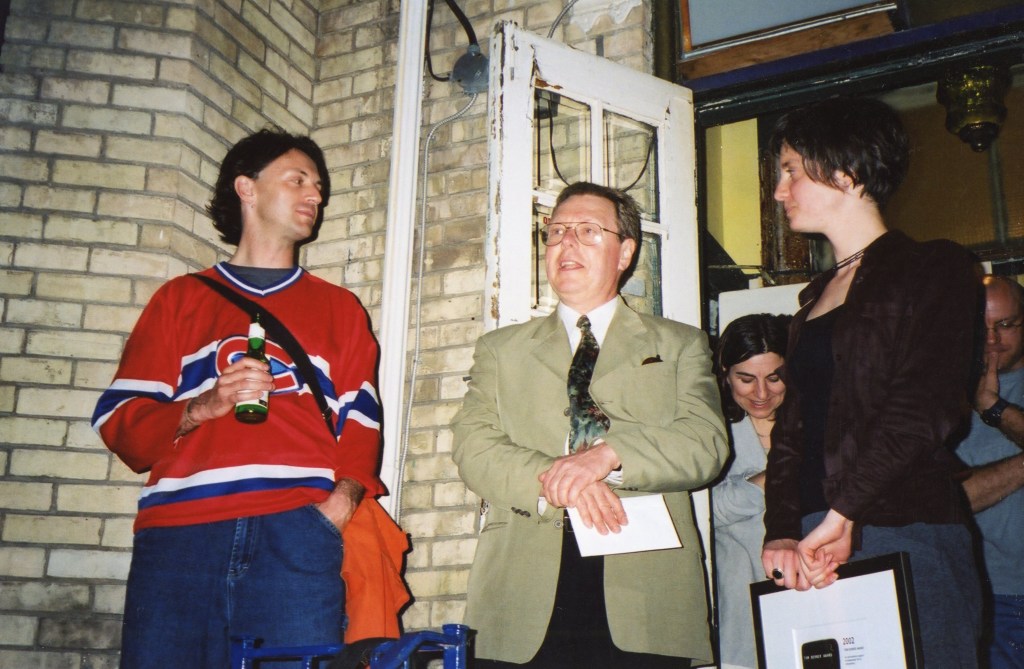
It’s hard to overstate how many independent filmmakers Tom Berner helped out during his career. Tom worked at Deluxe, which was the largest film lab and sound mixing studio in Toronto. Deluxe handled the biggest Hollywood productions shooting in Toronto, but Tom opened the door at Deluxe for independent filmmakers who had little (or no money).
Tom was a big help to Jill Riley and me when we were making Ecstasy and an enormous help when we made autoerotica. After wrapping autoerotica I wanted to do something to acknowledge what Tom had done for us, and for many other filmmakers we’d talked to. I reached out to another independent filmmaker who’d benefited from Tom’s assistance and Sarah Abbott and I initiated The Tom Berner Award to recognise contributions to independent filmmaking. LIFT in Toronto sponsored the award and for more than a decade it was given out during the Images Festival. Tom was the first recipient in 2002, and died too young in 2004.
When I was working on creating the award I reached out to some filmmakers for letters of support, and here are a sample:
Practicing Utopia 2007
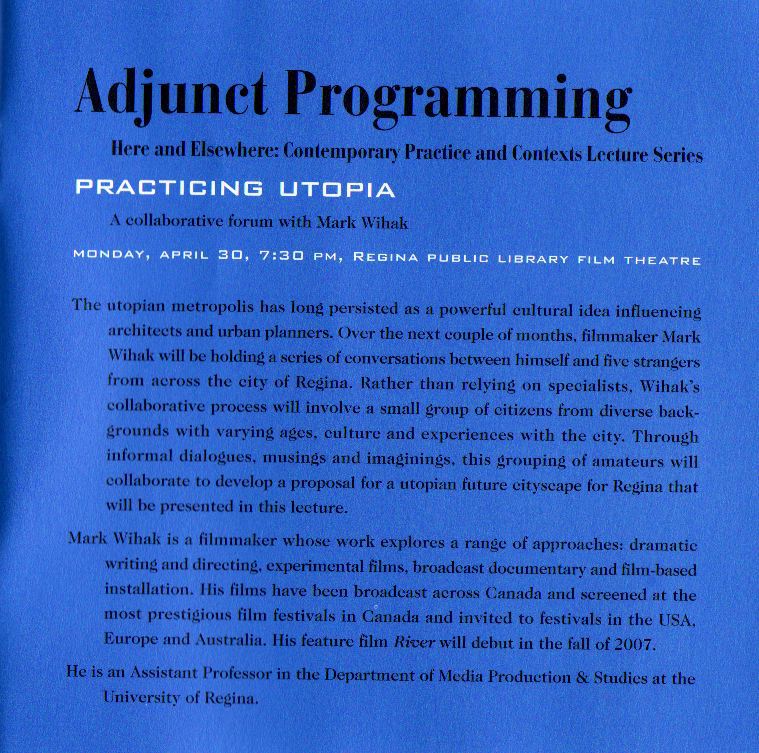
In 2007 the Dunlop Art Gallery invited me to develop something for a lecture series, and the result of this was Practicing Utopia.
Practicing Utopia was a collaborative forum for developing ideas to make the city a richer environment in which to live, and an exercise in the role of the “amateur” in civic discourse. Its focus was on a process that is a prerequisite for any successful city; the coming together of strangers to propose, discuss and debate the shapes their city could take.
Practicing Utopia consisted of a panel of five citizens of Regina who responded to some posters I circulated; the panel members were not acquainted with one another prior to Practicing Utopia, nor did I know them. The panel included citizens from 27 years-old to late middle-age, long time residents and newcomers to the city. Like me, the panel members did not have any direct employment or training in urban studies, civic politics or urban development. The panelists were Roshi Bourassa, Dan Bowman, Hilary Craig, Terri Sleeva, Hitomi Suzata.
The video is documentation of the Praticing Utopia panel presenting their ideas, recorded at the RPL Film Theatre, April 30, 2007.
Chicken & Wine 2007 – 2014ish and beyond
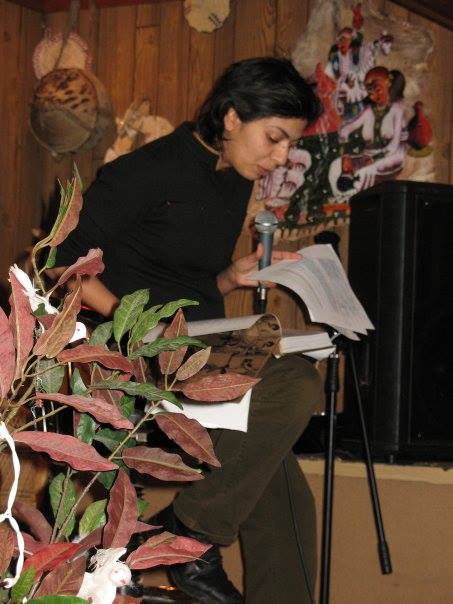
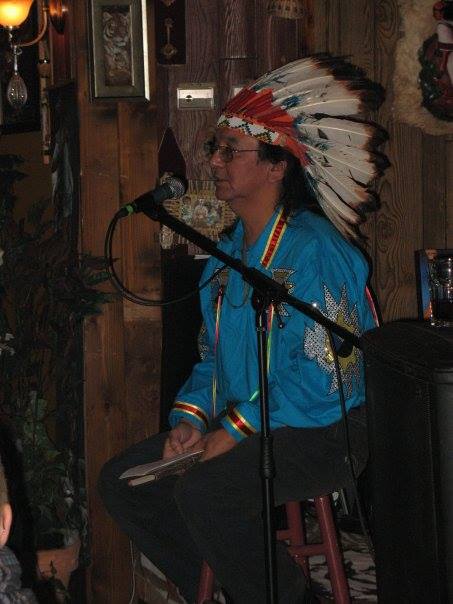
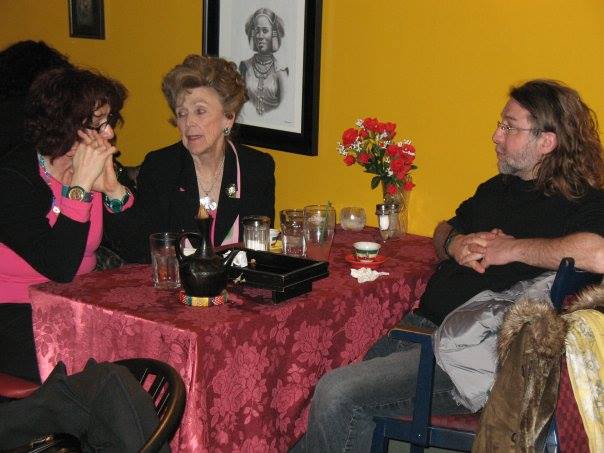
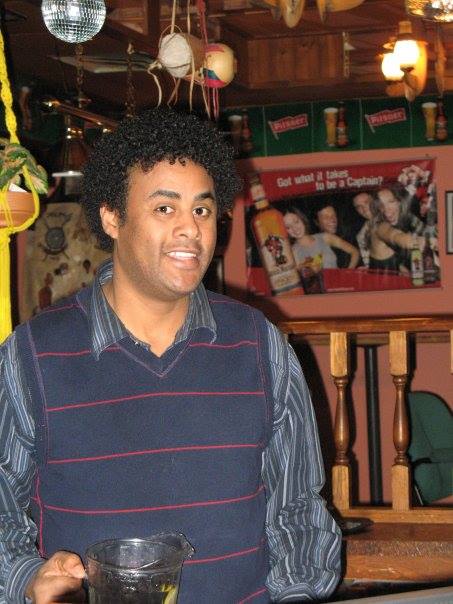
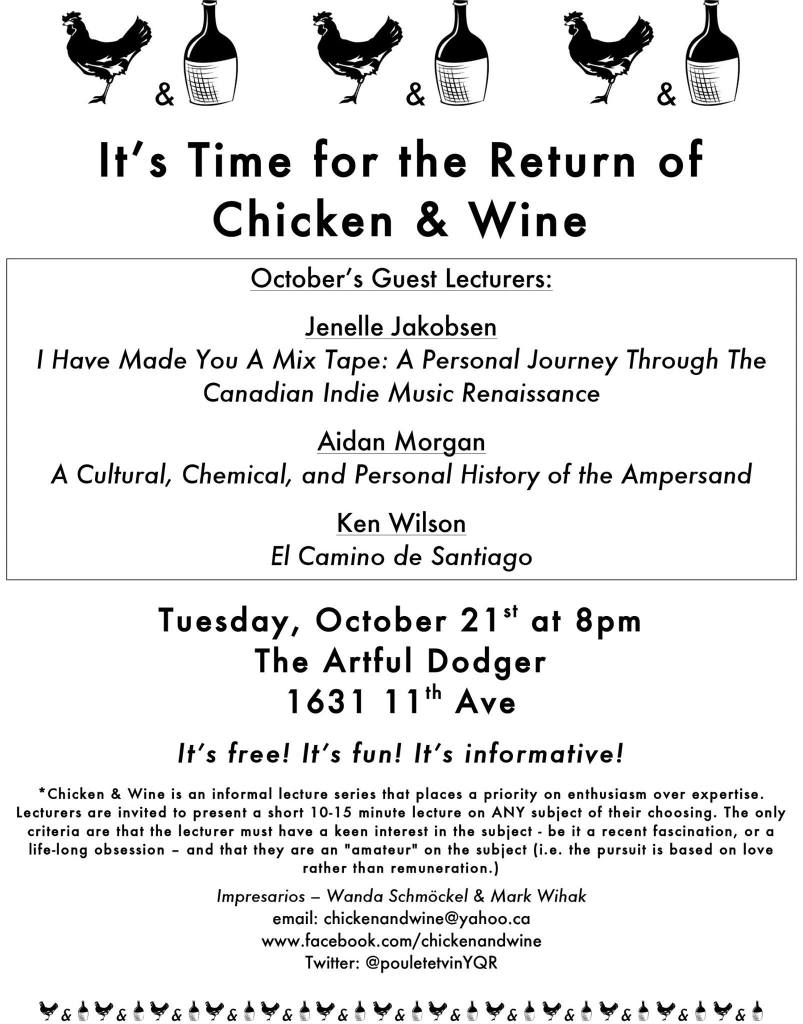
Wanda Schmöckel and I collaborated as impresarios on an informal lecture series called Chicken & Wine, which placed the priority on enthusiasm over expertise. Lecturers were invited to present a short lecture on a subject of their choosing. The only criteria was that the lecturer must have a keen interest in the subject – be it a recent fascination, or a life-long obsession – but is not considered an “expert” per se.
Chicken & Wine was inspired by Trampoline Hall, a lecture series in Toronto that Wanda and I had taken in. The name for our event came from a woman from Wadena, SK. Wanda was doing a story for CBC-TV on the curling Briar taking place in Regina that year, and when Wanda was interviewing Briar attendees, one of them compared the Briar to Wadena’s Chicken & Wine Bonspiel.
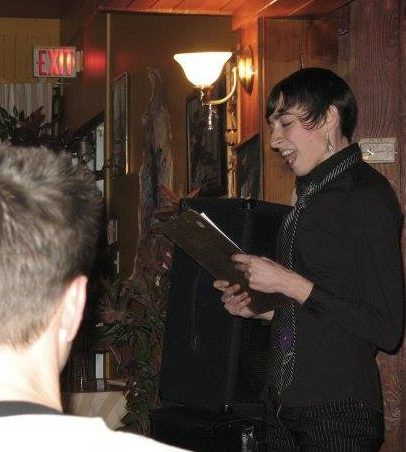
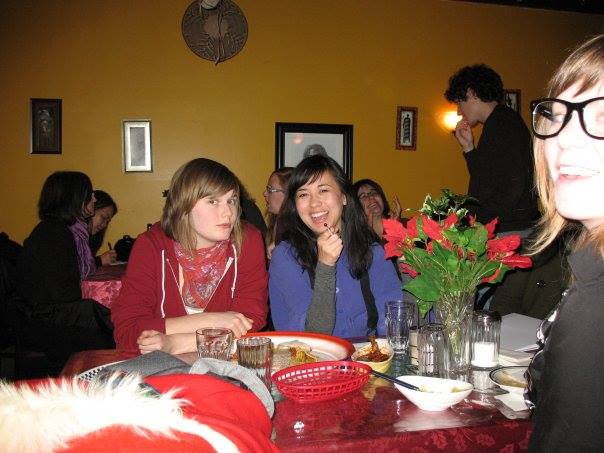
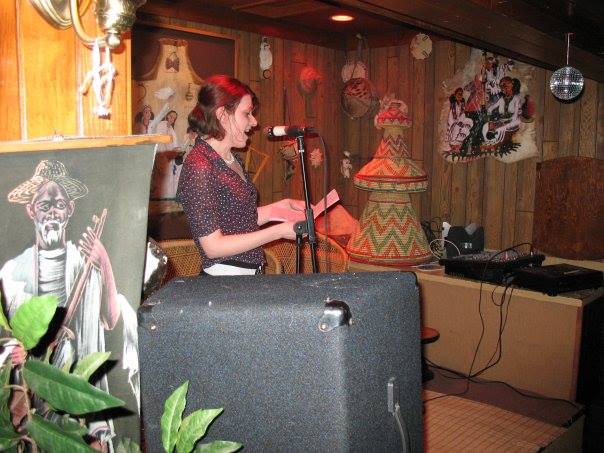
Chicken & Wine ran most months during the Fall and Winter between 2007 to 2014, and then sporadically for a few years beyond that. We recruited Heather Cameron, a Regina-based choreographer and dancer to be our MC, and for the first several years ran the event out of the hospitable Selam Ethiopian Restaurant. Later editions took place at Creative City Centre, Artesian, The Artful Dodger, and the MacKenzie Art Gallery.
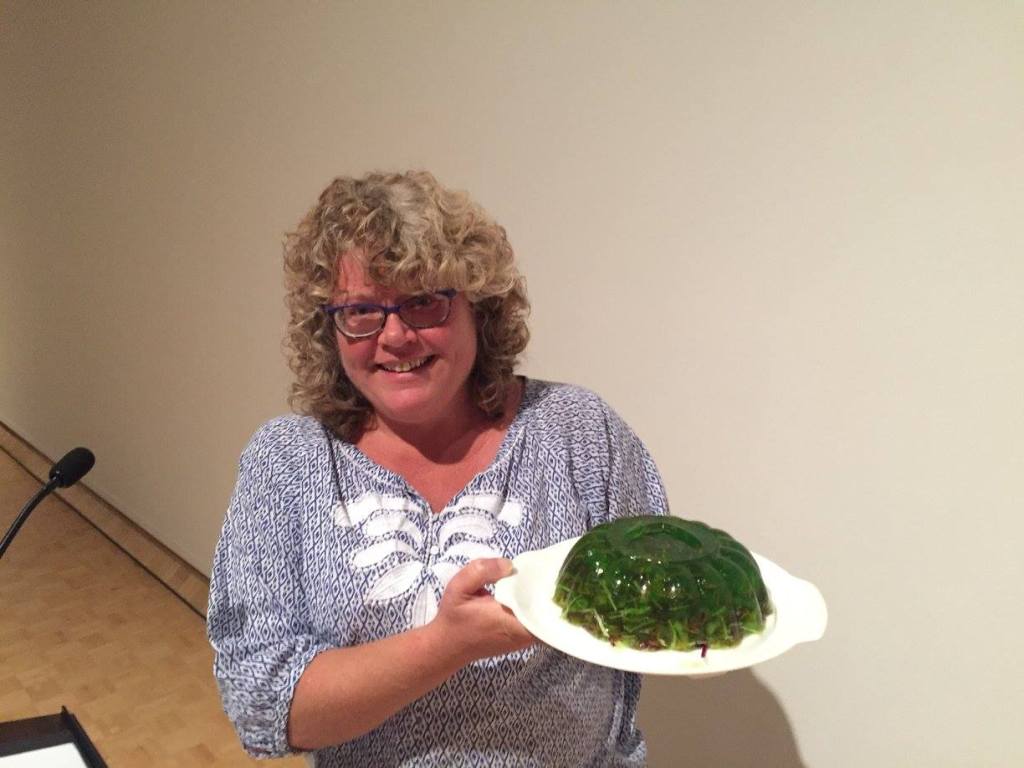
Our lecturers ranged from 10 years old to somewhere over 70, and lecture topics included: Kyle MacLachlan’s hair, virgin births, nasal irrigation, jellied salads, tumbleweeds, walking the Camino in Spain, and the cross-cultures histories of handheld pastry-enveloped things to eat.
We made the conscious decision not to record any of the Chicken & Wine events – this was about being in a room with other people at a specific moment in time. We did document events with photos, some of which you can still find on two Facebook pages: here and here, and hundreds more that disappeared when Facebook kept changing its settings.
A tiny bit of writing
In May 2003 I was Guest Editor of the LIFT Newsletter, and I chose to focus the issue on the arrival of the digital era. I approached a number of Toronto filmmakers and invited them to contribute a piece.
I’ve done a bit of writing on film in Saskatchewan, though not nearly as much as my colleague Gerald Saul, and some of my writing for the local alt-monthly Prairie Dog disappeared along with the paper. Here are a couple pieces from the Saskatchewan Filmpool’s Splice Magazine, and a link here to another article I did for Splice in 2020 on I Heart Regina and the decline of the film industry in Saskatchewan.
Regina‘s Secret Spaces 2006
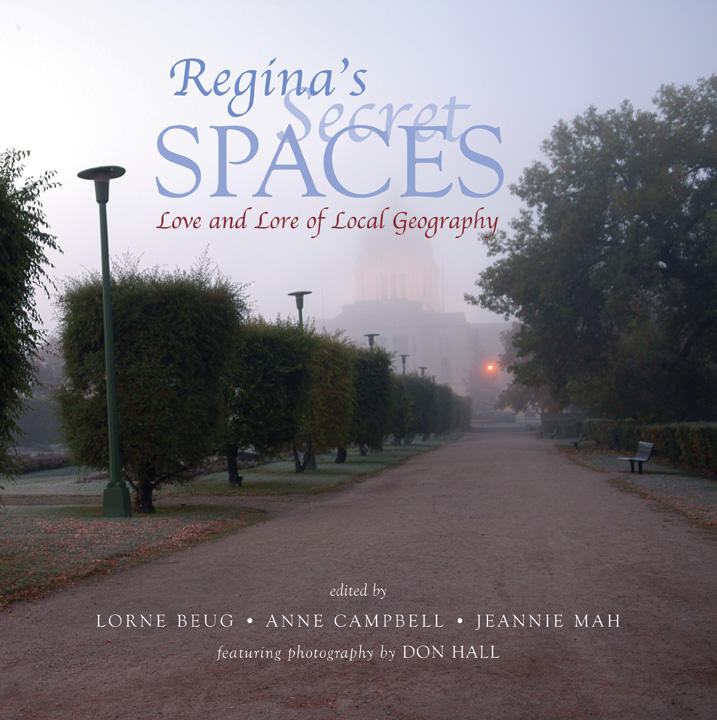
I was invited to contribute to Regina‘s Secret Spaces by the editors Lorne Beug, Anne Campbell, and Jeannie Mah. The book, published by U of R Press, was a wonderful collection of stories from Regina, with evocative photographs by Don Hall. I chose to write about the city’s lost opportunity to acquire a David Smith sculpture, and I collaborated with my mother Allie on a piece about going to the movies.
Biblio Files 2017
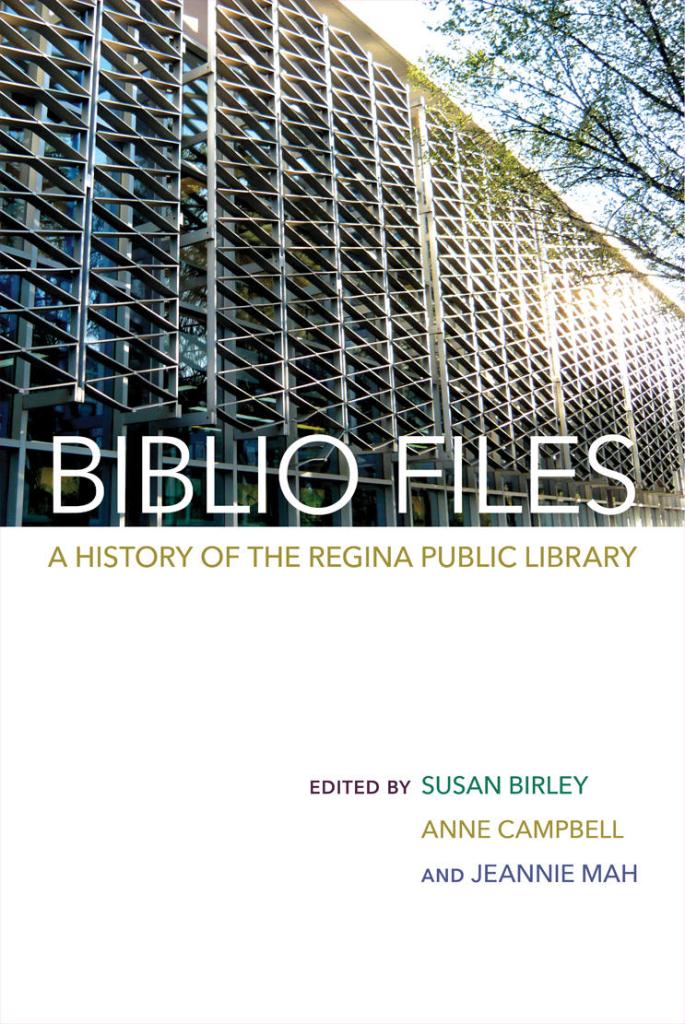
I was invited to contribute to Biblio Files: A History of the Regina Public Library by the editors Susan Birley, Anne Campbell, and Jeannie Mah. The book, published by U of R Press, tells the history of the RPL and its innovative features like the Prairie History Room, the Dunlop Art Gallery and the RPL Film Theatre. I was fortunate to work for the RPL after finishing my BFA.
Unproduced Screenplays
Most filmmakers probably have screenplays in their filing cabinets that never turned into films. I know film isn’t the only art form that has these creative relics: architectural plans of buildings never built, songs written and never recorded, operas and plays never mounted. There’s something sad about an unproduced screenplay. It represents hundreds of hours of creative work, the characters and scenarios floating around in your head for months and years. It’s creative writing but a screenplay isn’t a novel or a short story – a screenplay really only matters if it gets made into a film.
The Flat Side of the Earth 1993
For a couple decades, I’d forgotten I’d written The Flat Side of the Earth. I was rooting through a filing cabinet in 2026 when I came across two paper copies of my first feature length screenplay. Set in 1960, it is a fictionalized version of an artists workshop, based on what I had heard about the Emma Lake Artists Workshops. A decade later I would visit this subject matter in the documentary Between the North Pole & New York City.
I can’t remember what I would have written The Flat Side of the Earth on. I’m pretty sure I didn’t have my own computer in 1993, or screenwriting software. A coincidence: the name of the lead character in this screenplay is the same name as one of the lead actors in my first feature River: Maya.
Days & Months & Years 1995
My short film The Ballad of Don Quinn had a good run on the festival circuit, and I tried to get a feature-length version of it going. I had some encouragement during my time at the Canadian Film Centre, and Regina-based Minds Eye Entertainment offered to option the script, but I was too wary and unsure of how the industry functioned and so declined the option offer. That was a bad decision.
Golden/A Grain of Sand 2002-2017
Although I’ve been agnostic since my early 20s, I was raised Roman Catholic and clearly that left a mark. The short film Ecstasy and it’s unproduced feature-length screenplay adaptation focused on a teenage girl who thinks “God” has given her a mission. I shifted focus to a different way of looking at some of this territory with a story that first went by the name Golden, and then shifted to A Grain of Sand, which grew out of a radio interview I heard with the author of Seized, Eve LaPlante, where I learned about aspects of a neurological condition that can create hallucinations and/or religious fervour.
The first draft of Golden/A Grain of Sand was written in 2002. I had an excellent cast lined up (Tara Rosling, Liisa Repo-Martell), a wonderful DOP (Kim Derko), and a marvelous composer (Tom Third). I had a Producer with an emerging portfolio. And we couldn’t get the money in place. While I made other films, I kept working on trying to get Golden/A Grain of Sand made through 2017 or so. An adapted and condensed version of the story and screenplay finally became the film Resting Potential in 2022.
University of Regina
In 2003 I moved from Toronto back to my hometown of Regina to take a tenure-track position in what had been the Department of Film & Video, and was then the Department of Media Production & Studies, and is now the Department of Film.
Getting the position felt like winning the lottery, being paid to teach and research something I loved. A couple decades on I’m still grateful for the opportunities the position allows me.
The odd thing about teaching at a university is that for many of us, it’s our first time teaching and we haven’t really been taught how to do it – we learn on the job. Teaching is a gratifying, and at times, humbling experience, and the learning curve can be steep and never ends. Trying to keep up with technology changes and the evolving screen-based interests of our students keeps me engaged and challenged. It’s been really interesting to work with students born in the 21st century and learn how they relate to the 120+ years of film history and its contemporary iterations.
In 2011 I began a six-year stint as Department Head, which to my surprise, was a really stimulating experience, though it did have an impact on my own creative production. I began my time as Department Head just as our provincial government under Premier Brad Wall set about destroying what had been a very healthy film industry. I wrote about that here. Of course, this had a discouraging impact on our students. It wasn’t until 2022 that the provincial government finally put some production incentives in place, and although Saskatchewan’s incentives still lag behind neighbours Alberta and Manitoba, our graduates are finding more opportunities to stay in Saskatchewan and work in film.
Along with the regular administrative duties of Department Head, in addition to initiating the name change to the Department of Film, and commissioning the creation of a department logo and a social media presence that provides an archive of department activities, I’m particularly proud of some initiatives:
Distinguished Alumni Award 2011 – ongoing
I wanted to do something to recognise the achievements of our alumni and that could help build connections between our alumni and our students and give our students a sense of possibilities. The Theatre program at the University of Regina had an alumni award, and I decided the Film program should follow suit. We launched the award in 2011 and the Department of Film bestows an award every two years. I don’t think the program will run out of worthy candidates.
Living Skies Student Film Festival 2012 – ongoing
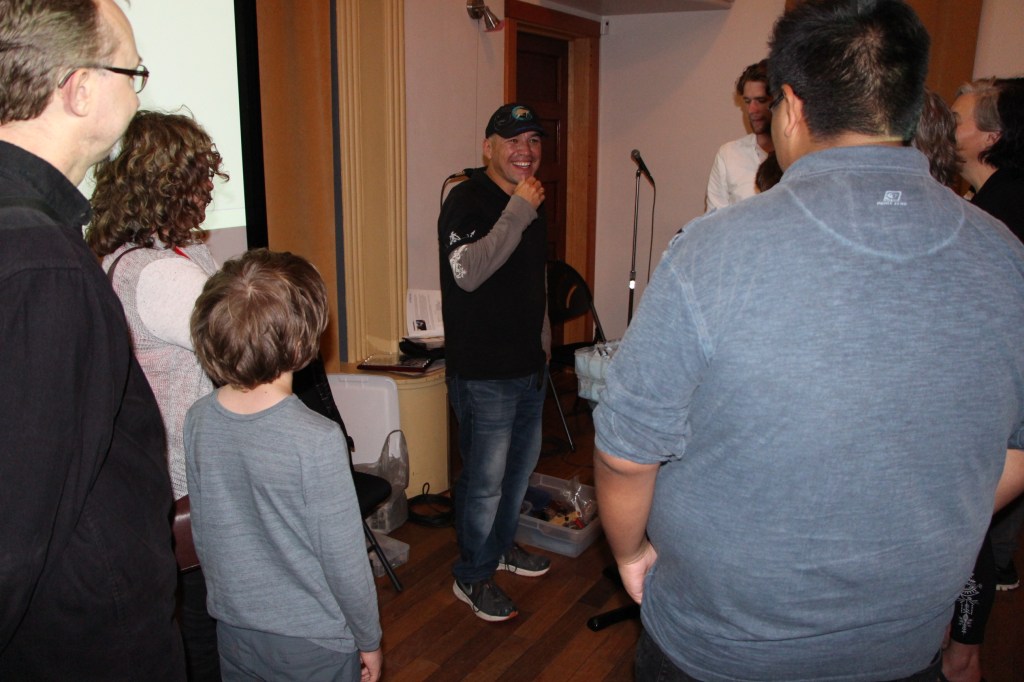
Film students at the University of Regina had been organising film festivals since the late-1980s, generally under the banner of The National Student Film Festival. The festivals showed student films from across Canada, and were usually pulled together at the end of the academic year by one or two hardworking students. Some years the festival didn’t take place. When I joined the Film program as a faculty member in 2003, the festivals were continuing in their original fashion, organised by one or two hardworking students, and some years they didn’t take place. When I became Department Head I decided to make some changes, and turn the organisation of the film festival into something students would receive academic credit for.
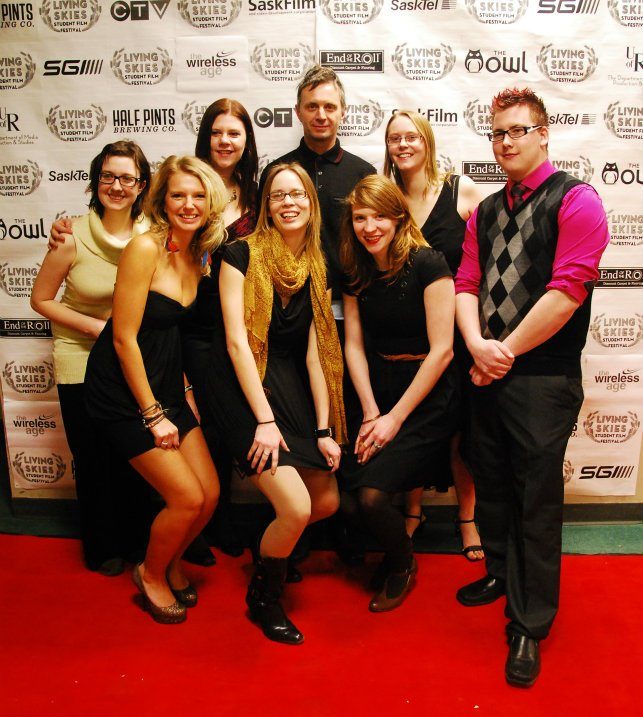
The first group of students in the credit-course gave the festival a new name in 2012: The Living Skies Student Film Festival. A couple years later, when the festival signed up with Film Freeway, the scope of the festival increased dramatically, and was able to present student films from around the world. Even during the lock down days of the COVID pandemic, the students were able to present the festival as an online event.
I’m really pleased to see The Living Skies Student Film Festival take root and offer the student organisers valuable learning opportunities, and film students in Regina the chance to see wonderful student films from around the world.
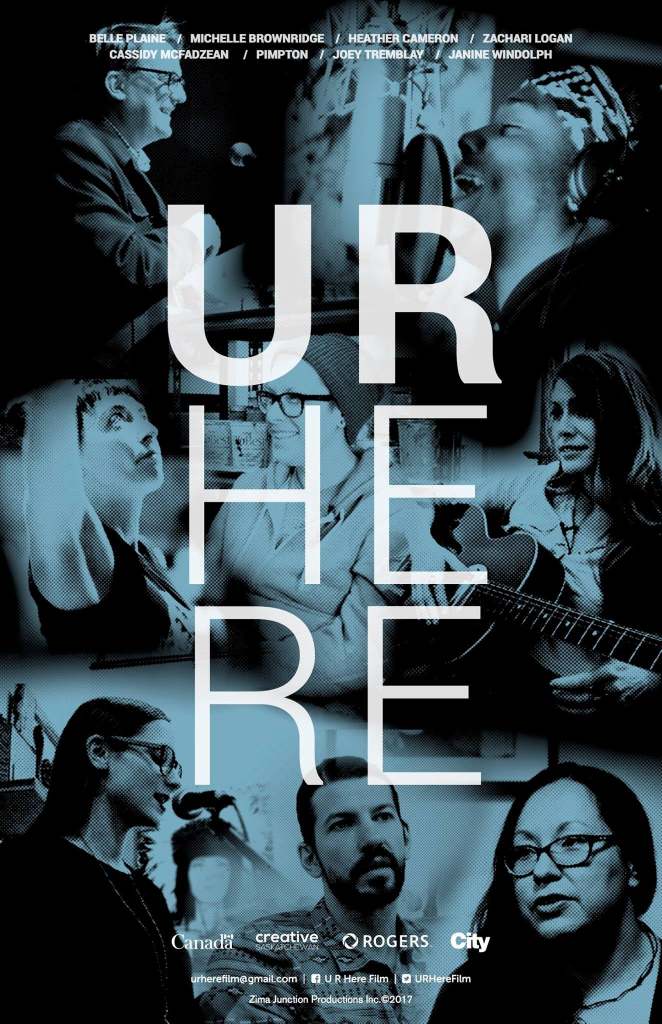
U R HERE (2017)
U R Here is a broadcast documentary that I produced along with Robin Schlaht, working with 4th year students in the Department of Film. The project began from an invitation by Joanne MacDonald of Citytv Saskatchewan to develop a documentary project that students could make. I’d known Joanne since her days at SCN (Saskatchewan Communications Network), and she’d always championed emerging filmmakers.
I thought this could provide invaluable learning opportunities for the students, and pitched an idea to Joanne about a documentary that focused on artists working in Regina. Joanne liked that idea and I set about identifying potential subjects for the film. Because Citytv required an incorporated company to sign the license agreement I reached out to Regina filmmaker Robin Schlaht, and Robin and his company Zima Junction Productions came on board as a partner.
When the Fall 2016 semester began I outlined the project to the students in Film 400, and they began to work in groups of three. Each group was responsible for profiling two artists, with the goal of having everything shot and a solid rough cut by the end of the semester.
The project had its challenges – some students were more diligent than others, and many of the students felt uneasy about signing the contracts that Zima Junction required in order to pay them and fulfill CRTC requirements. This was their first exposure to things like contracts and broadcast delivery requirements, and there was a steep learning curve.
In the end, the film got completed, though Robin and I had to recruit a professional editor to finish the film after the academic year wrapped. The students got to work with interesting artists, they got paid and earned their first IMDB and broadcast credits and I think the film is a good record of some important Regina artists at an earlier stage of their careers.
Directed by students in Films 400/401: Peter Adebara, Babatunde Adeboye, Zach Almond, Brayden Barrett, Jael Bartnik, Tanner Davis, Shawn Doll, Wagner Filho, Sharon LeDoux, Justine McCalla, Timothy Merasty, James Walker