Ecstasy 1999
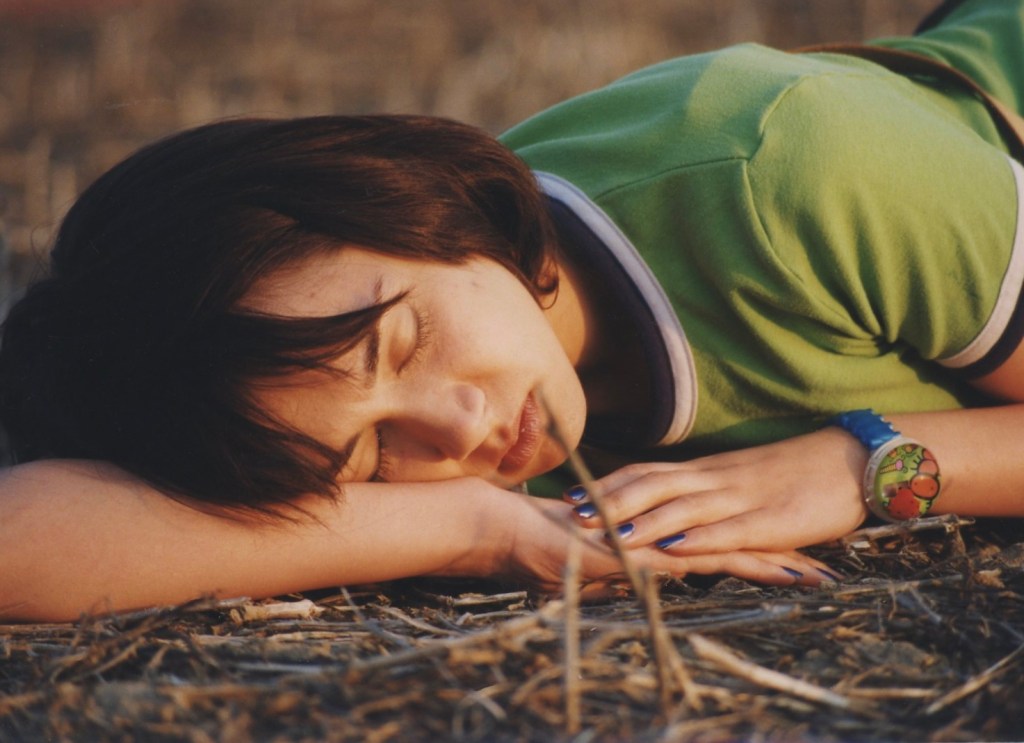
Ecstasy is the story of a Rave Girl in deepest suburbia. While on her way home from a Rave, Stacey encounters “God” and is given a special mission. Not quite sure how to deal with this, she tries her best; losing friends and gaining converts before a final, miraculous event transforms her from average Rave Girl into Stacey of Suburbia.
I set the story in Scarborough even though at that point I knew little about that area of Toronto. Michael Campbell, a friend from grad school days, grew up in Scarborough, and he would talk evocatively about the hydro corridors that crossed his neighbourhood. When I was writing the screenplay, a hydro corridor played a key role, and so I set the story in Scarborough. Years after making the film I wed a woman from Scarborough and started spending considerable time there.
Although the story is set largely in Scarborough, for logistical reasons it wasn’t shot there. We shot some of the exteriors in Mississauga, in an apartment on St. Clair near Yonge Street, a few scenes in the Dufferin Mall (a block away from where I lived in Toronto), in Kensington Market, a student residence near Jarvis and Gerrard, at a rave in the basement of the Edgewater Hotel at Queen and Roncesvalles, and in the Speaker’s Corner booth at City-TV on Queen Street.
Ecstasy was a logistically challenging short film to make, with lots of locations, wardrobe changes, and a sizeable volunteer crew to feed and transport every day. It was made possible through the work of Producer Jill Riley and my sister Marian Wihak, who in addition to being the film’s Production Designer, did a lot of work to pull in crew, locations, and art department materials for the project.
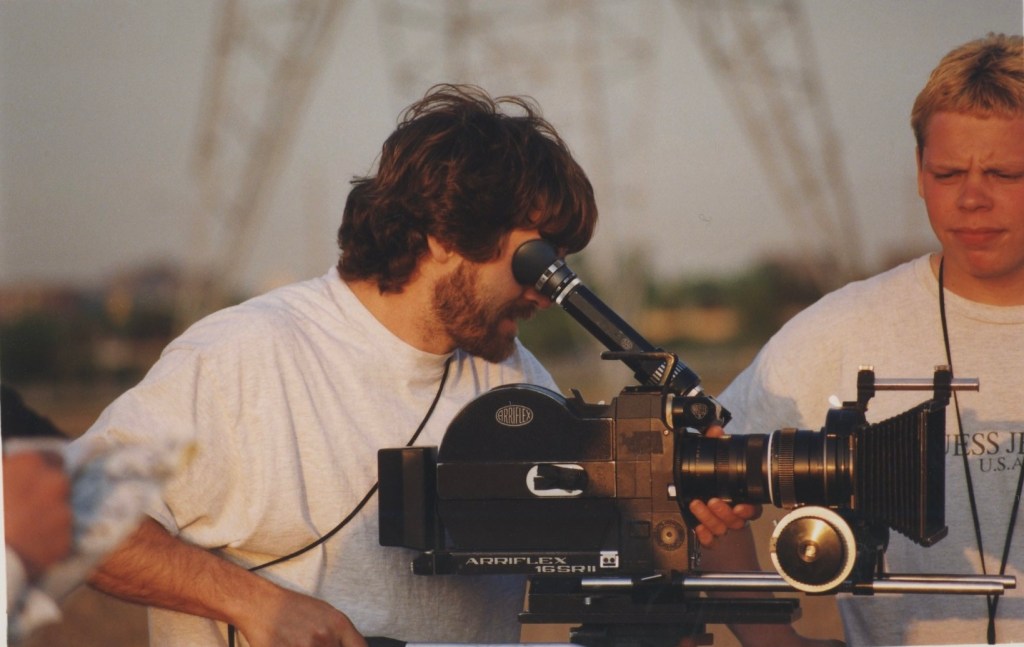
Ecstasy was shot on Fuji 16mm colour film by Christopher Ball. This is the first film I worked on where the picture editing was done on a digital, non-linear system. Editor Sarah Peddie and I used the Media 100 system that the Liaison of Independent Filmmakers of Toronto (LIFT) had recently acquired. A significant percentage of the budget was spent on creating the digital effect of a tree in a hydro field that appears at the end of the film.
Ecstasy was released on 16mm. It premiered at the 1999 Toronto International Film Festival, and was later broadcast on CBC-TV’s Canadian Reflections.
Ecstasy was made with the support of the Ontario Arts Council and LIFT, and the generosity of the cast and crew.
I wrote a feature-length version of Ecstasy, with the support of the Harold Greenberg Fund, and shopped it around to some Toronto producers without generating much in the way of interest, though one producer thought it might work as a TV series. Given what happens to Stacey at the end of Ecstasy, I struggled to understand how it would work as a series. I soon moved onto another story idea about a character who thinks “God” is talking to them; that project took 20 years to get made.
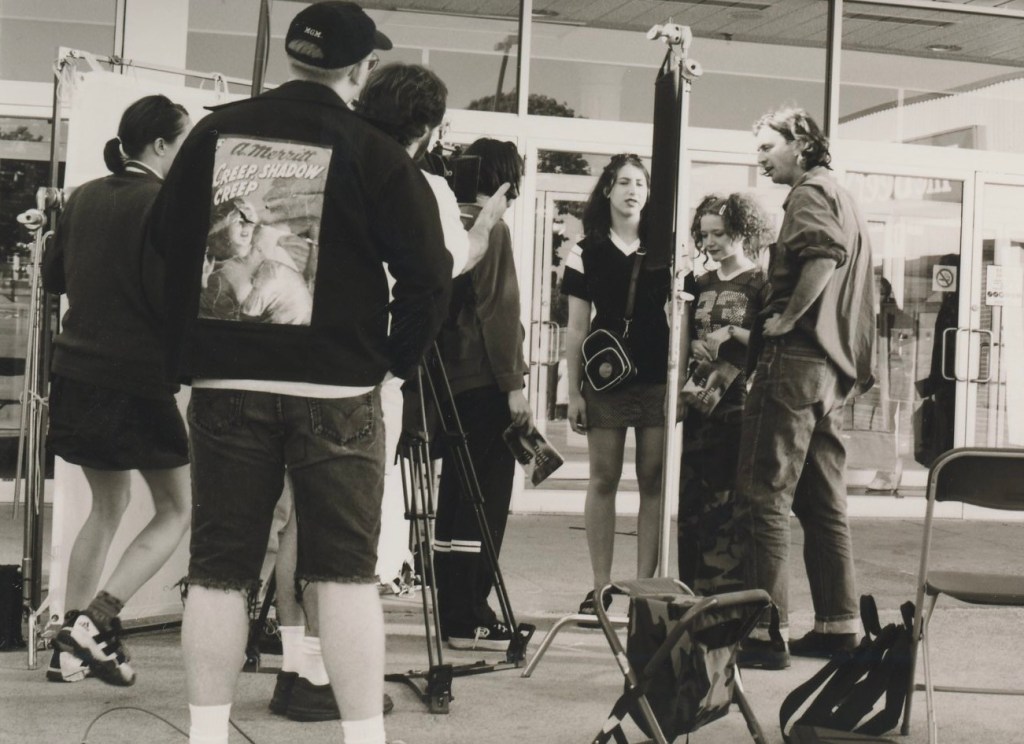
“Ecstasy” shoot on location at the Dufferin Mall. Stills Photography: Luisa Cabbidu 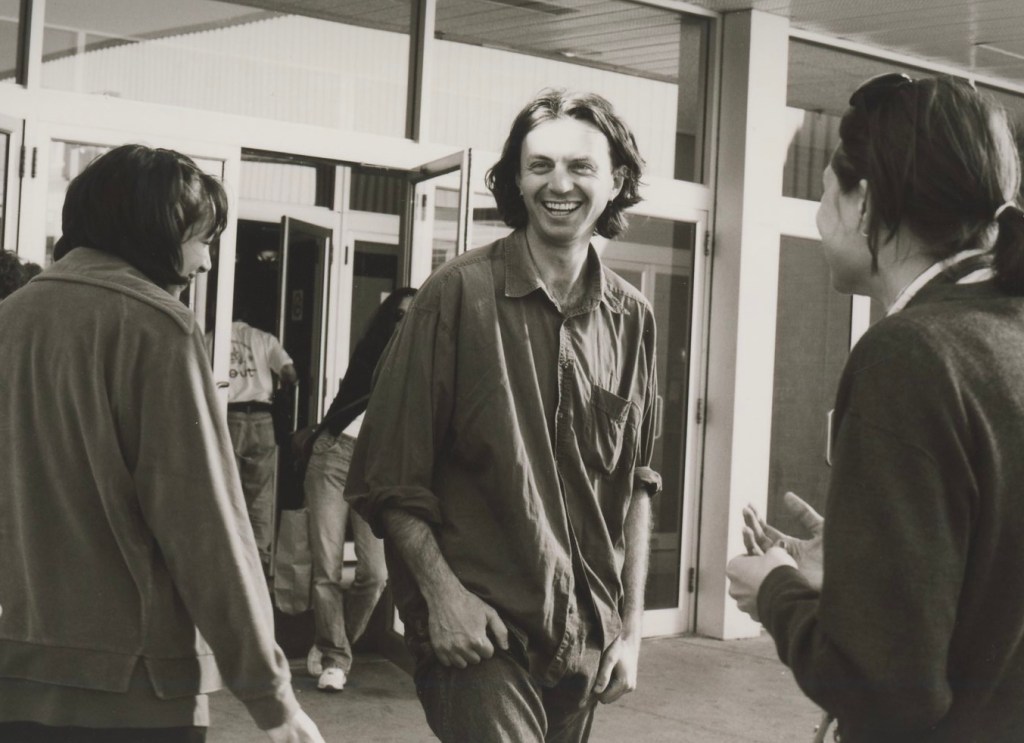
Elisa Moolecherry, Mark Wihak and Lisa Burling at Dufferin Mall. Stills Photography: Luisa Cabbidu 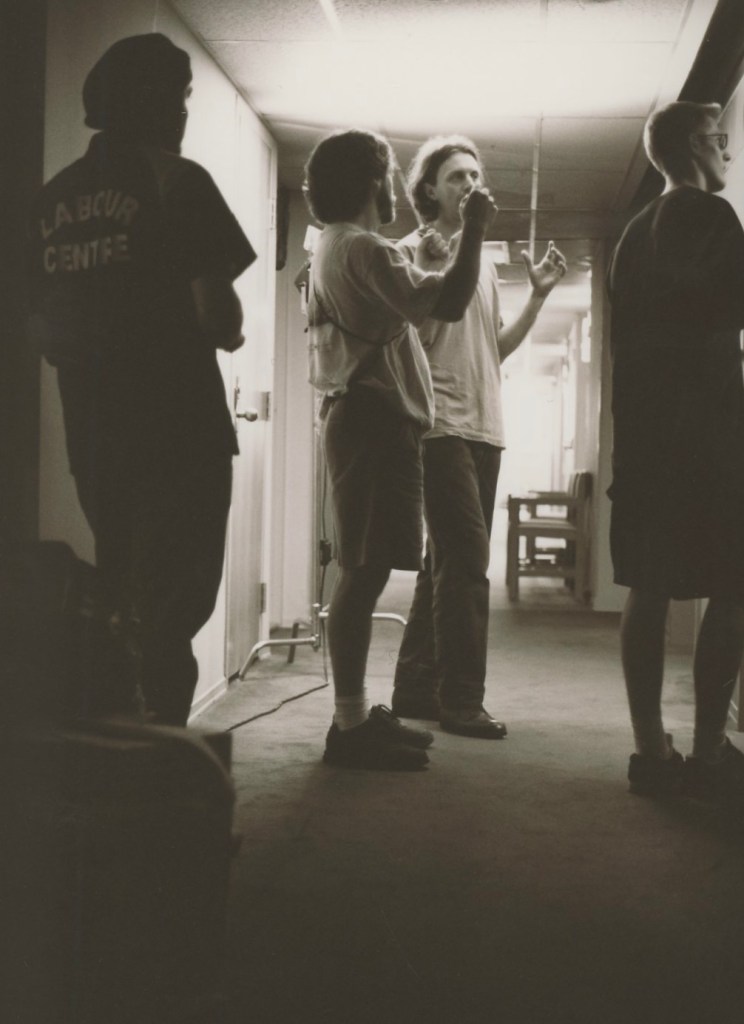
Christopher Ball and Mark Wihak. Stills Photography: Luisa Cabbidu 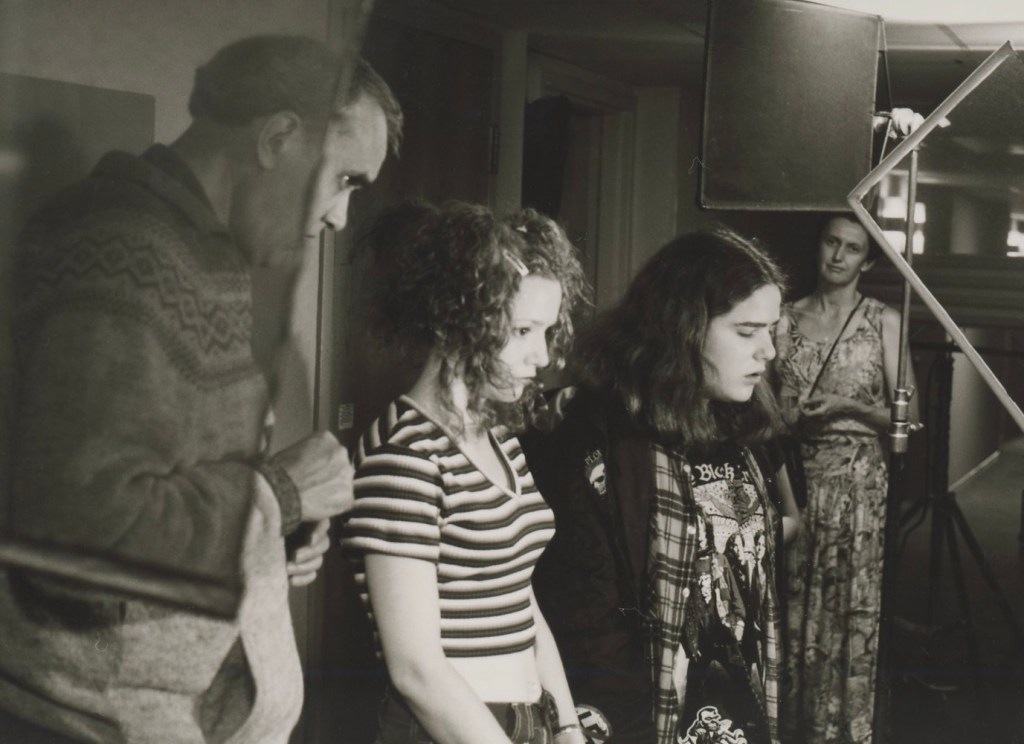
Stan Coles, Karyn Dwyer, Nathan Carter, and Gini Dalgas prepping for the big reveal in “Ecstasy”. Stills Photography: Luisa Cabbidu 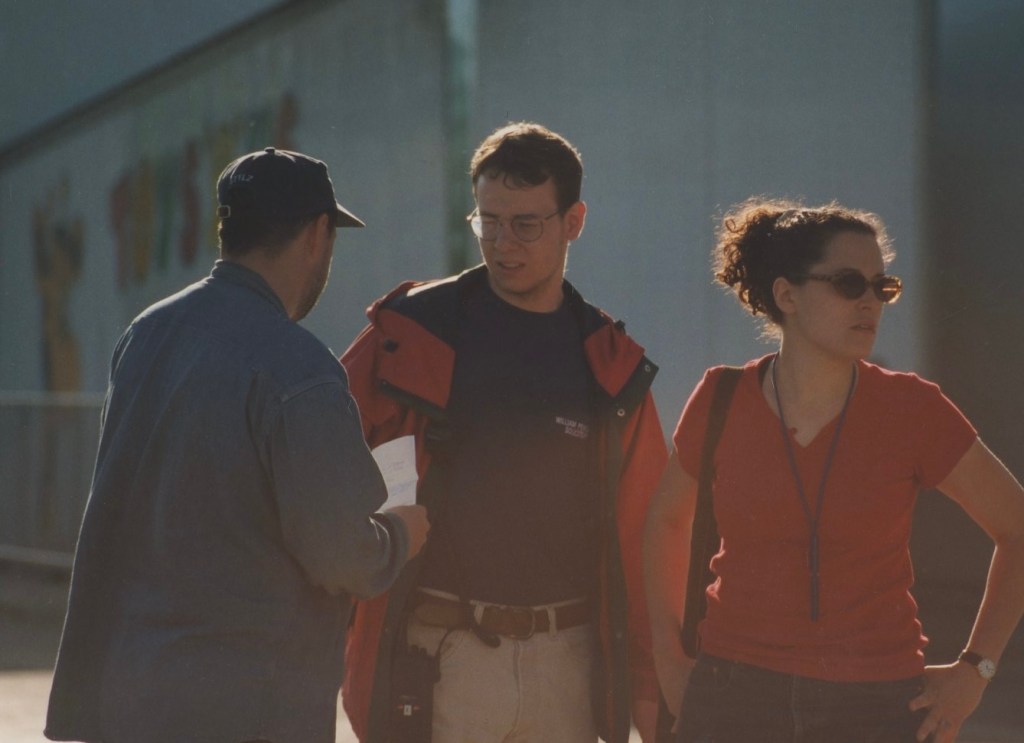
Location Manager Jonathan Pencharz and Producer Jill Riley. Stills Photography: Luisa Cabbidu 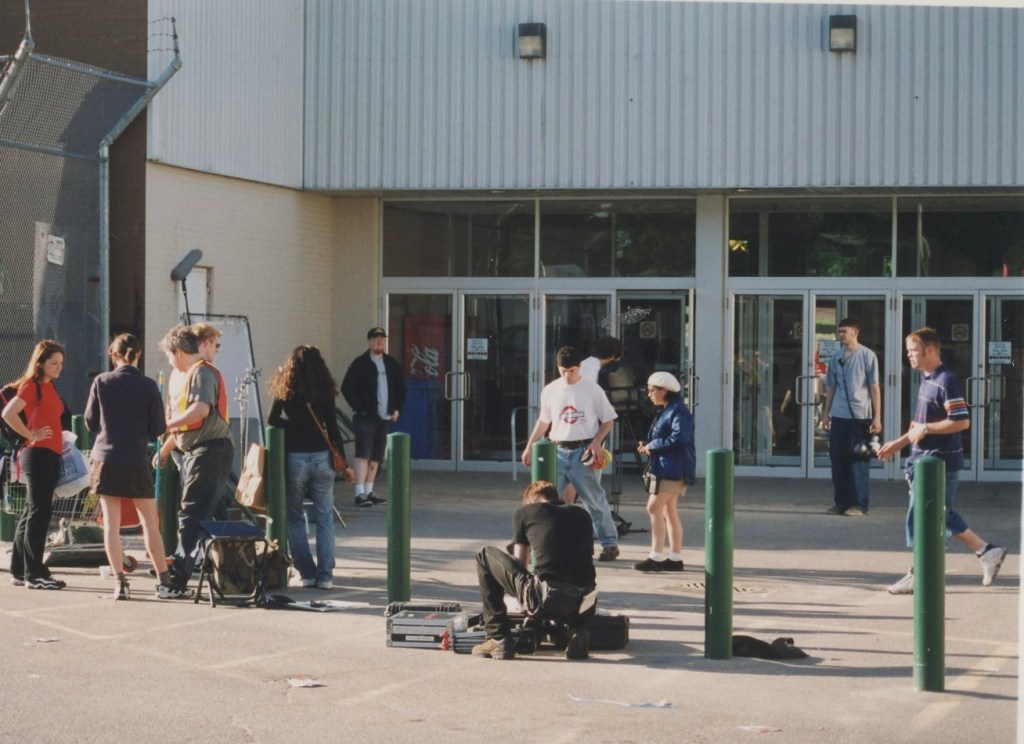
“Ecstasy” crew on location at the Dufferin Mall. Stills Photography: Luisa Cabbidu 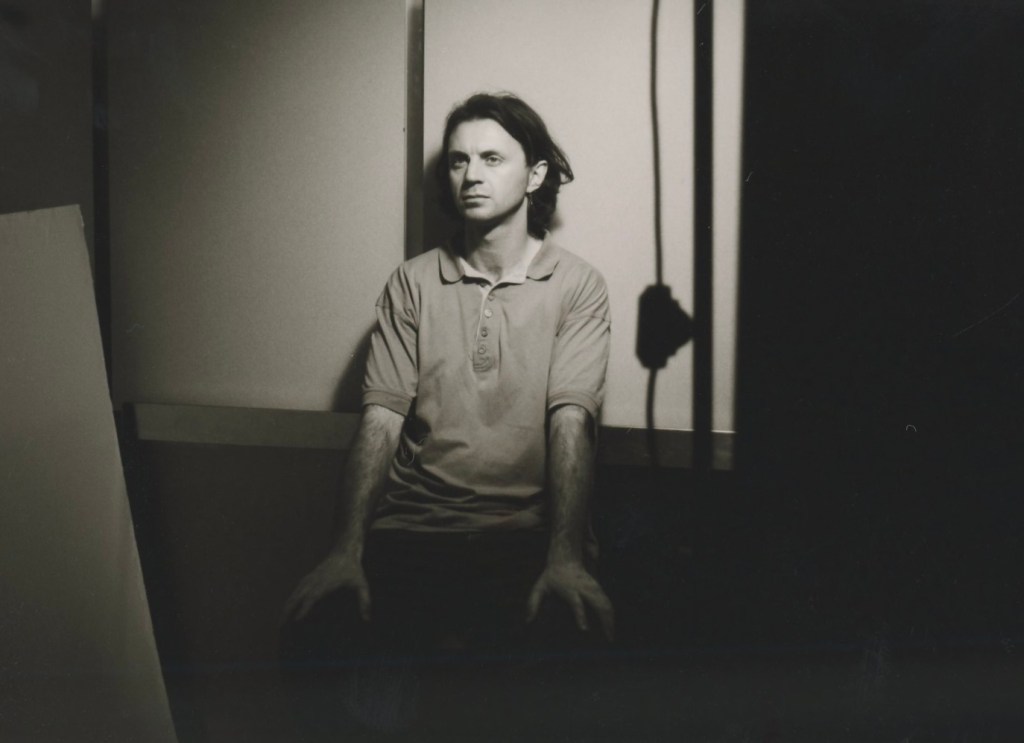
Mark Wihak wondering what’s going on. Stills Photography: Luisa Cabbidu 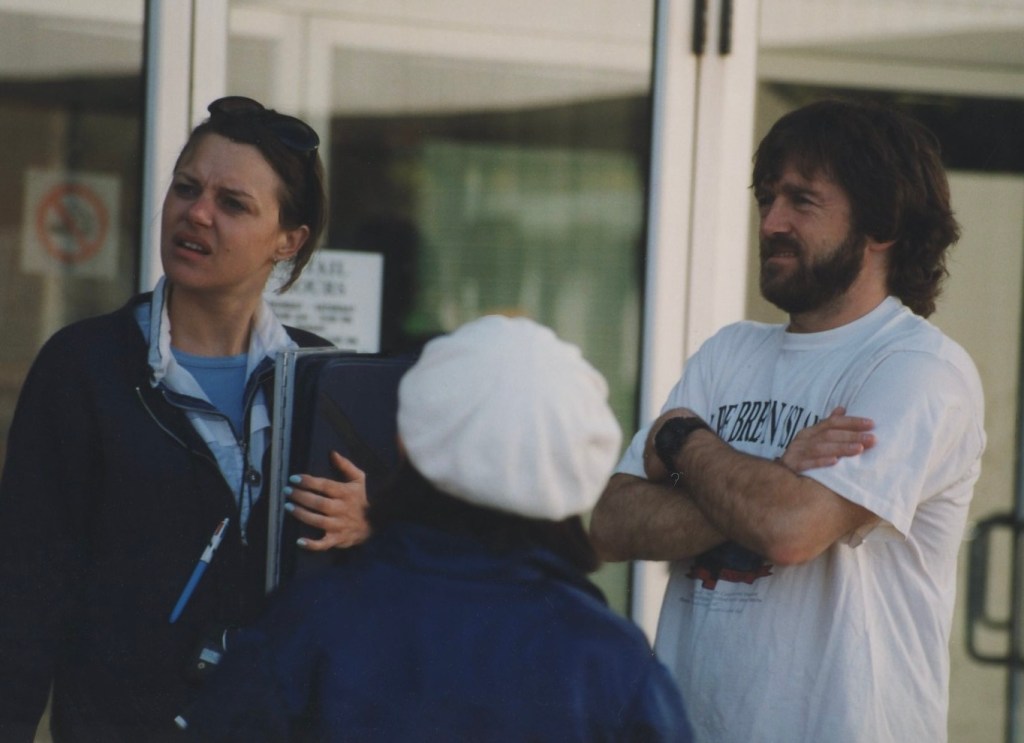
Script Supervisor Lisa Burling and DOP Christopher Ball. Stills Photography: Luisa Cabbidu 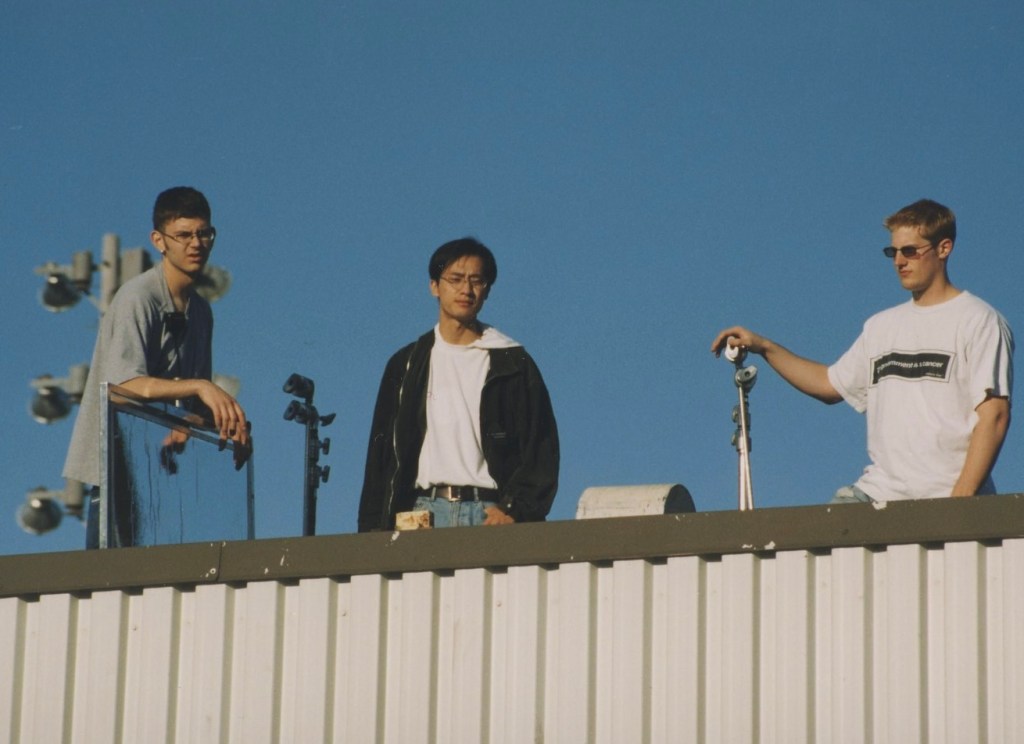
“Ecstasy” crew on location at the Dufferin Mall. Stills Photography: Luisa Cabbidu 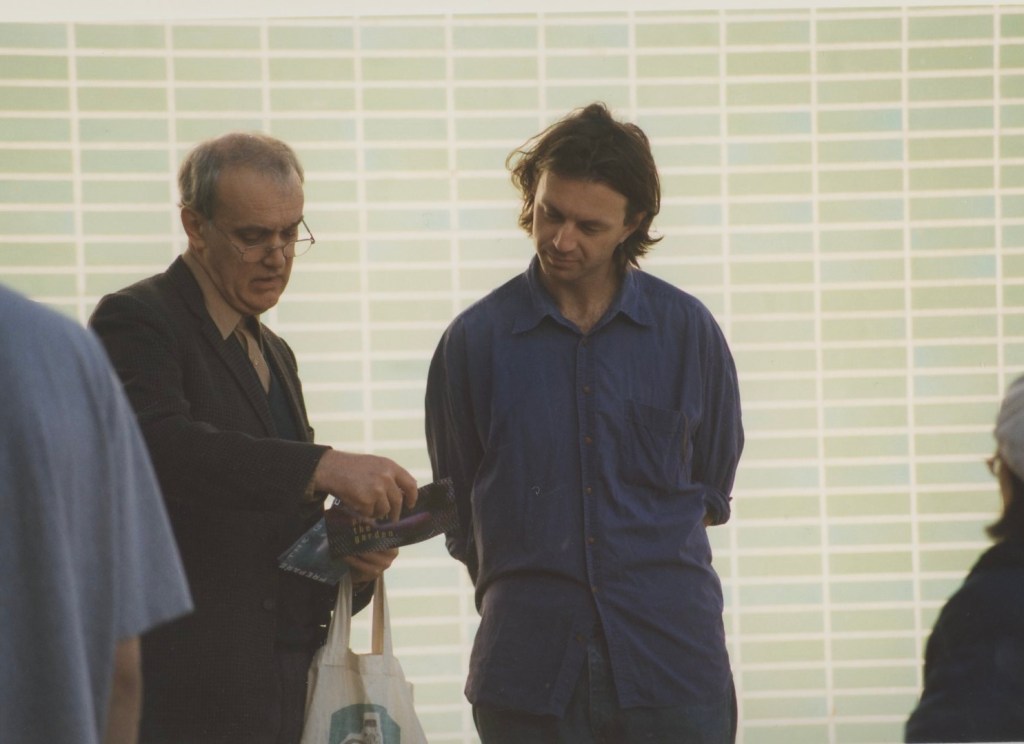
Stan Coles and Mark Wihak. Stills Photography: Luisa Cabbidu 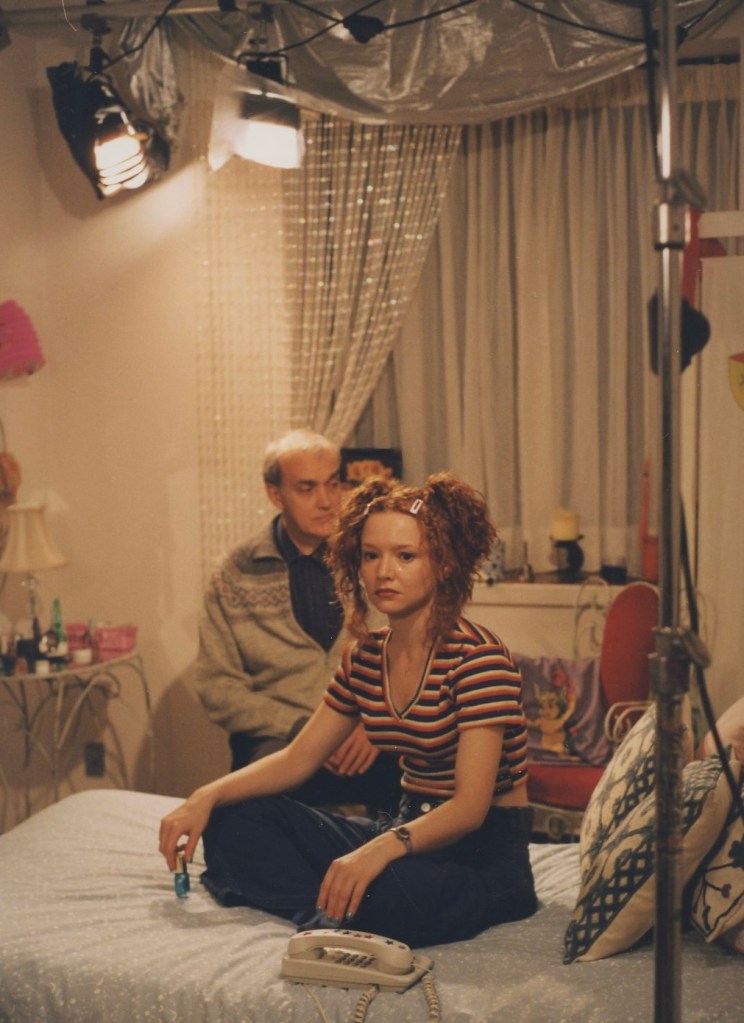
Stan Coles and Karyn Dwyer. Stills Photography: Luisa Cabbidu 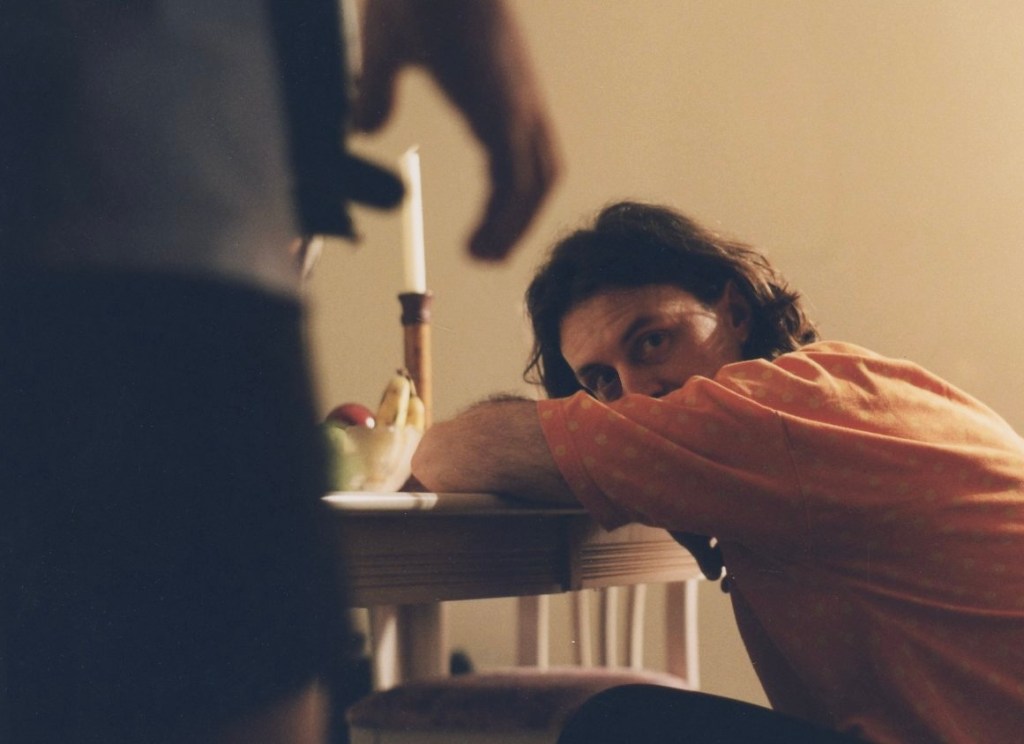
Mark Wihak. Stills Photography: Luisa Cabbidu 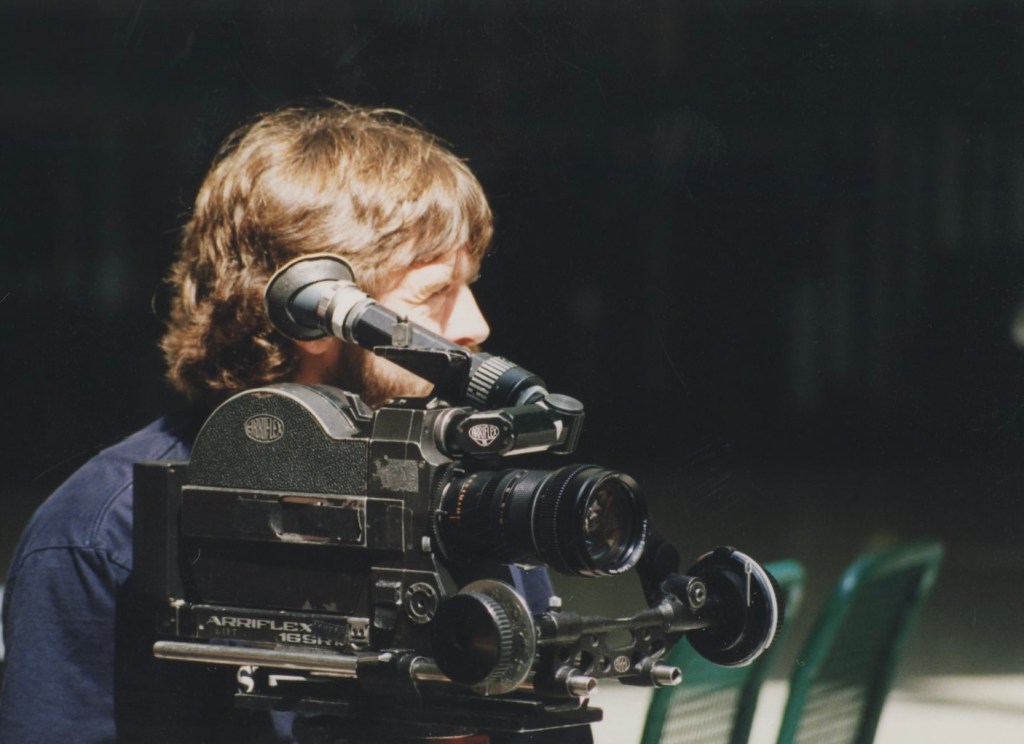
Christopher Ball. Stills Photography: Luisa Cabbidu 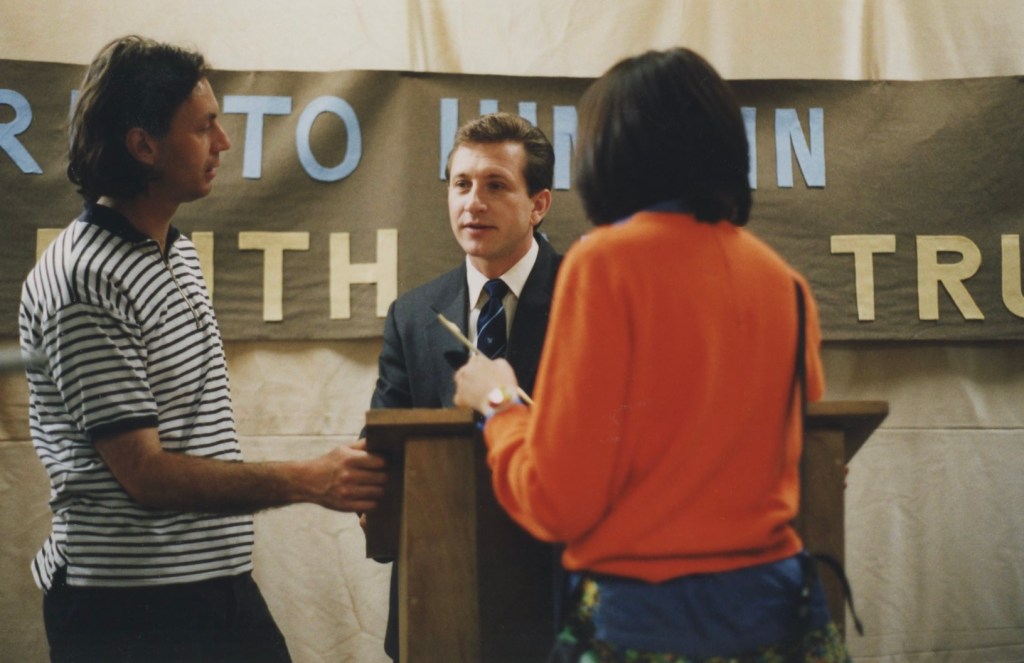
Mark Wihak, Nigel Hamer, Elisa Moolecherry at the Mall Church in “Ecstasy”. Stills Photography: Luisa Cabbidu 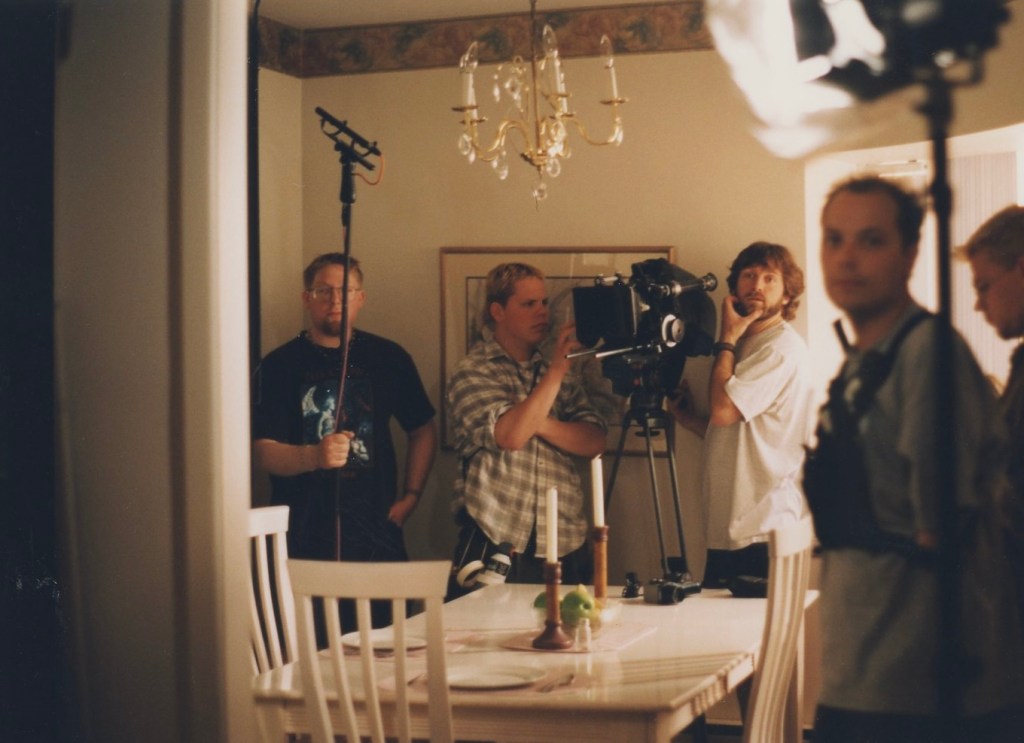
Andrew Beatty, Kyle Rath, Christopher Ball, Greg Bolton at Stacey’s apartment location. Stills Photography: Luisa Cabbidu 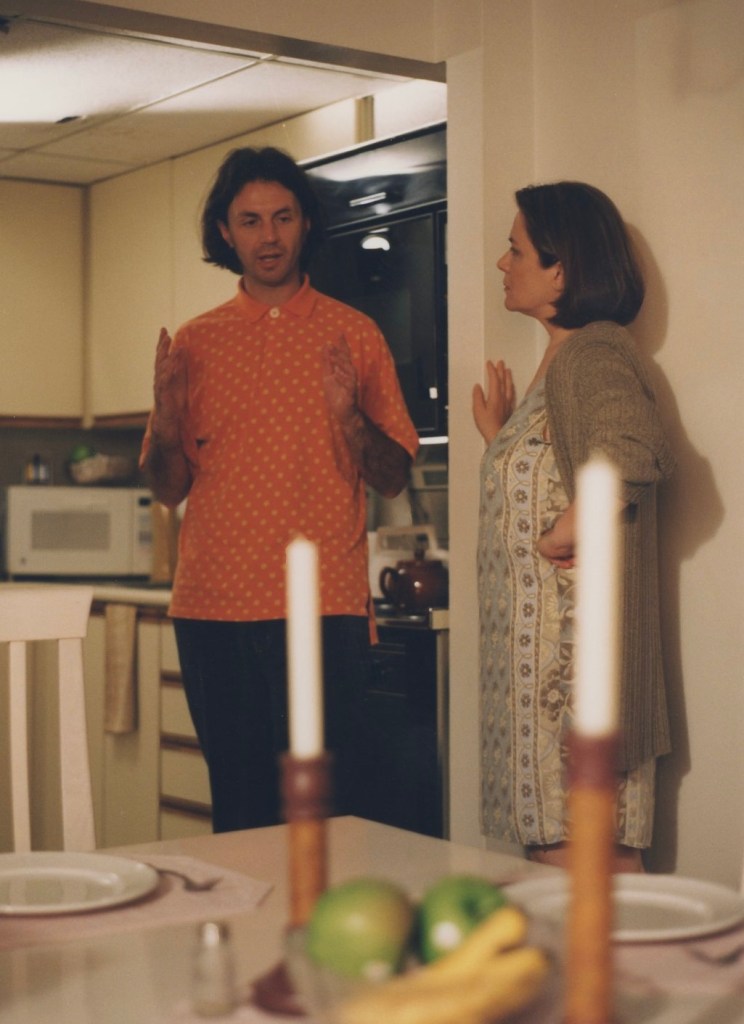
Mark Wihak and Holly Dennison. Stills Photography: Luisa Cabbidu 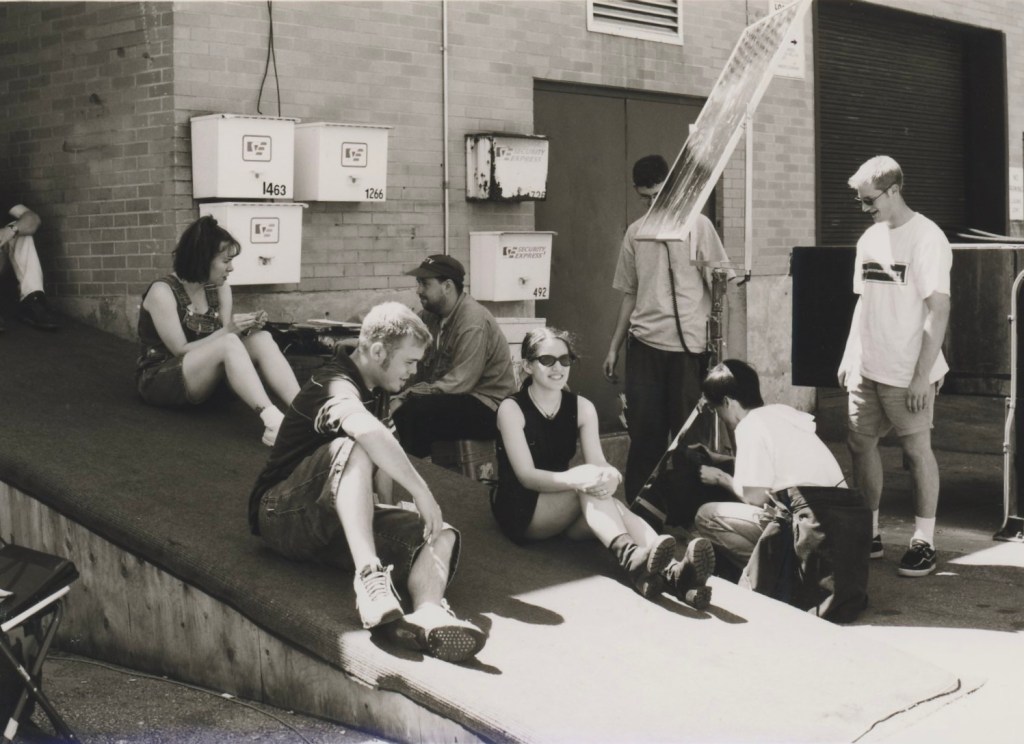
“Ecstasy” crew at Dufferin Mall. Stills Photography: Luisa Cabbidu 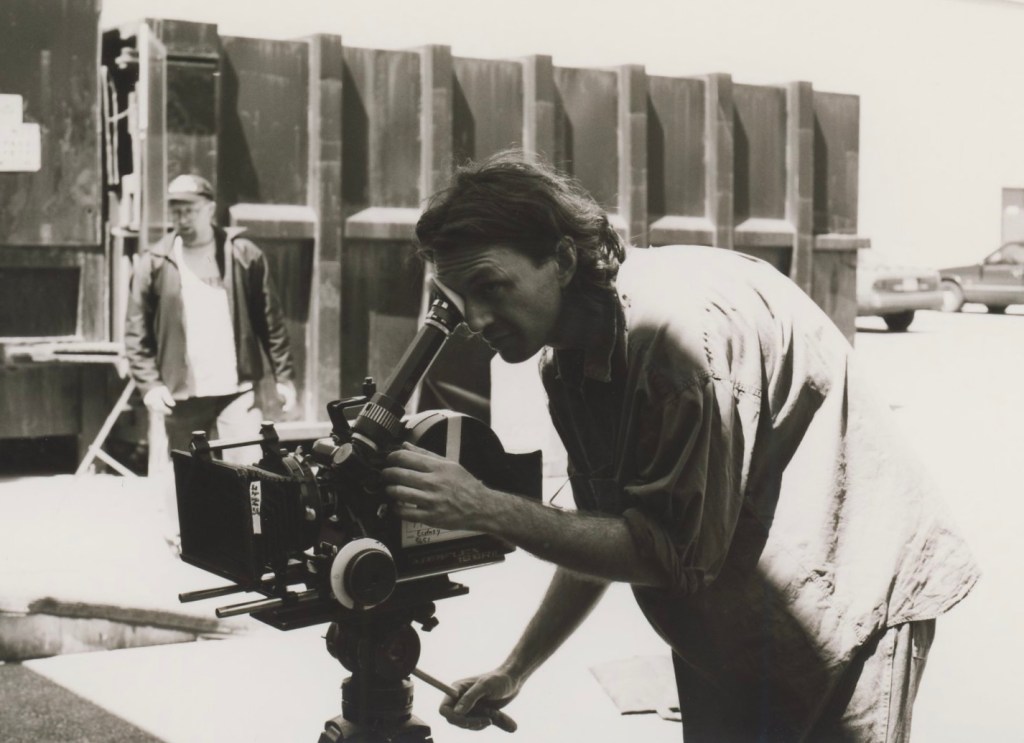
Mark Wihak. Stills Photography: Luisa Cabbidu Stills Photography by Luisa Cabbidu
Fiction – 27 minutes 2K transfer from 16mm negative 1.33:1 aspect ratio
Elisa Moolecherry
Karyn Dwyer, Anne Rasmin
Holly Dennison, Stan Coles, Nathan Carter, Nigel Hamer, Alan Zweig
Cinematographer – Christopher Ball, Production Designer – Marian Wihak
Picture Editor – Sarah Peddie, Composer – Jim McGrath
Producer – Jill Riley, Associate-Producer – Marian Wihak
Associate-Producer, Writer, Director – Mark Wihak
